 Physicly
5 day workout split
Upper, lower, then push, pull and legs: five sessions that train every muscle twice a week.
The most balanced 5-day workout split is upper, lower, push, pull and legs: an upper/lower pair early in the week, then a push pull legs round. It trains every muscle twice in five sessions, Monday to Friday, with the weekend for recovery. The old 5-day “bro split” of one muscle a day trains each muscle only once a week.
Upper & lower + push, pull, legs
Sample week: 5-day workout split
Two upper/lower days and a push, pull and legs day: each muscle about twice a week across five sessions.
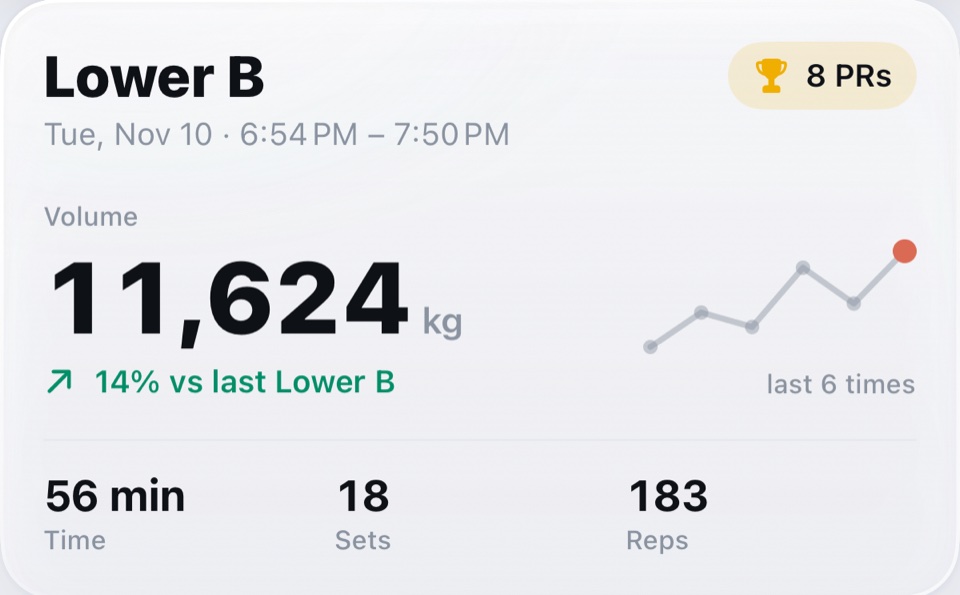
Log this plan in Physicly
The app builds this same program from your answers, records every set and tells you when to add weight.
Get this plan in the appPhysicly for iPhone- MonAUpper body
- TueBLower body
- WedCPush
- ThuDPull
- FriELegs
- SatRest
- SunRest
AUpper bodyMon · 40 min · Chest, back, shoulders
-
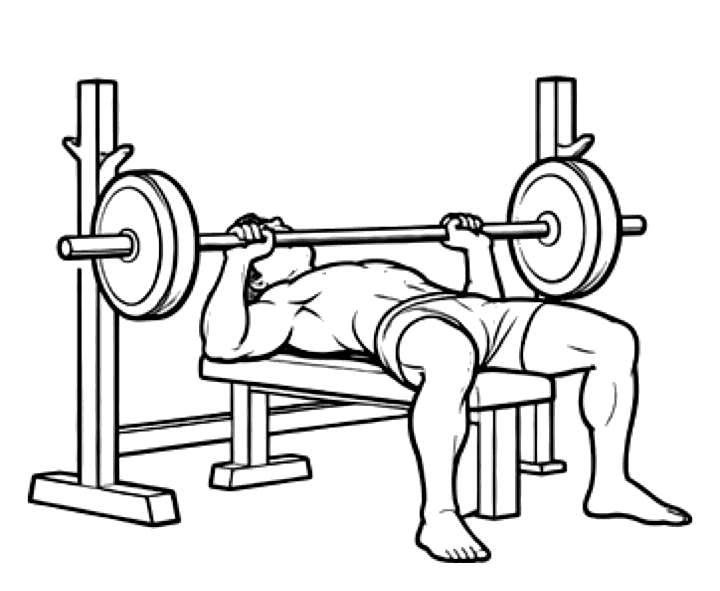
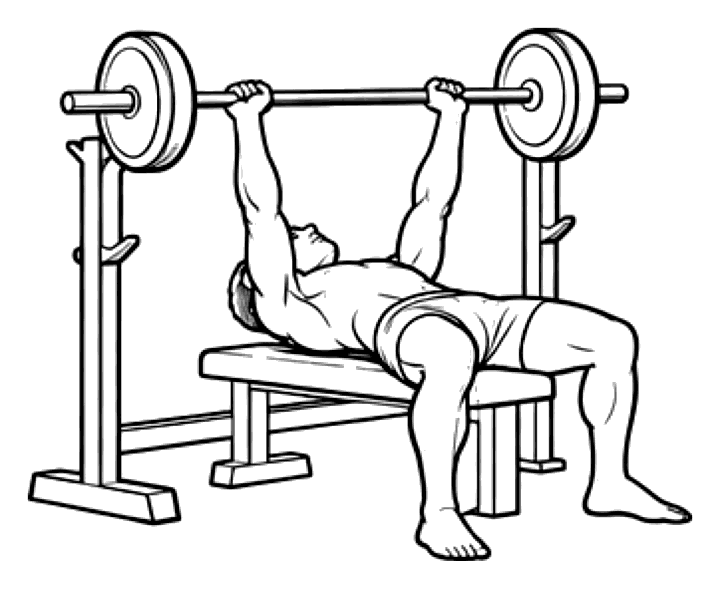 Bench Press (Barbell)3 × 6–8 reps · rest 2:30 min
-
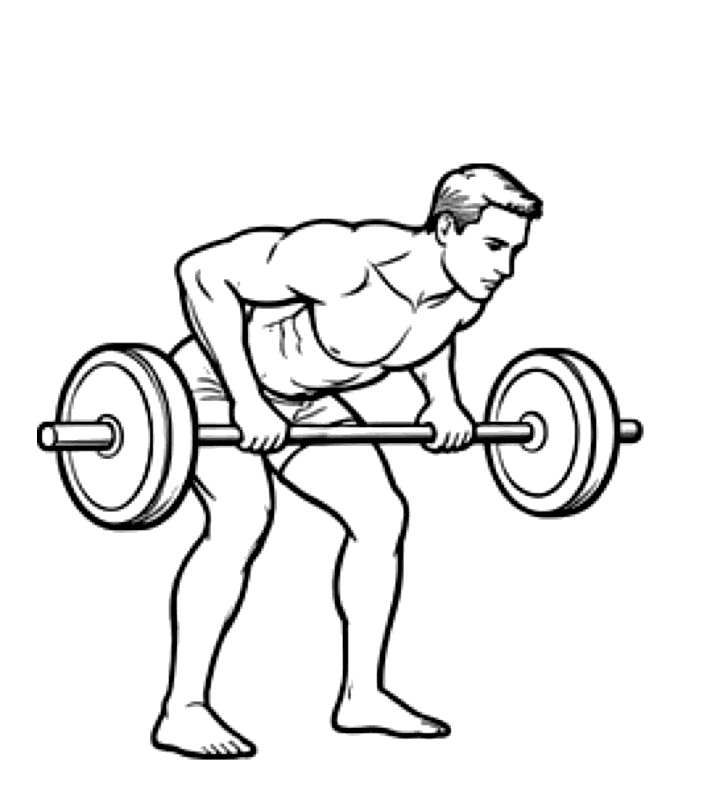
 Bent Over Row (Barbell)3 × 8–10 reps · rest 2 min
-
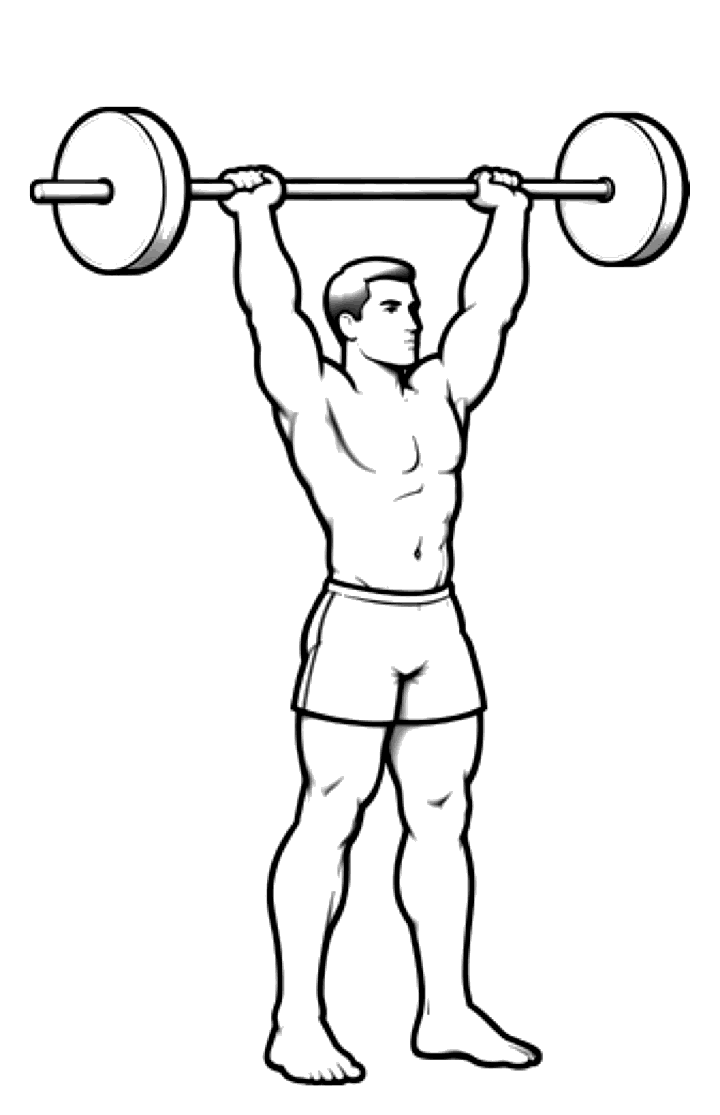
 Overhead Press (Barbell)3 × 8–10 reps · rest 2 min
-
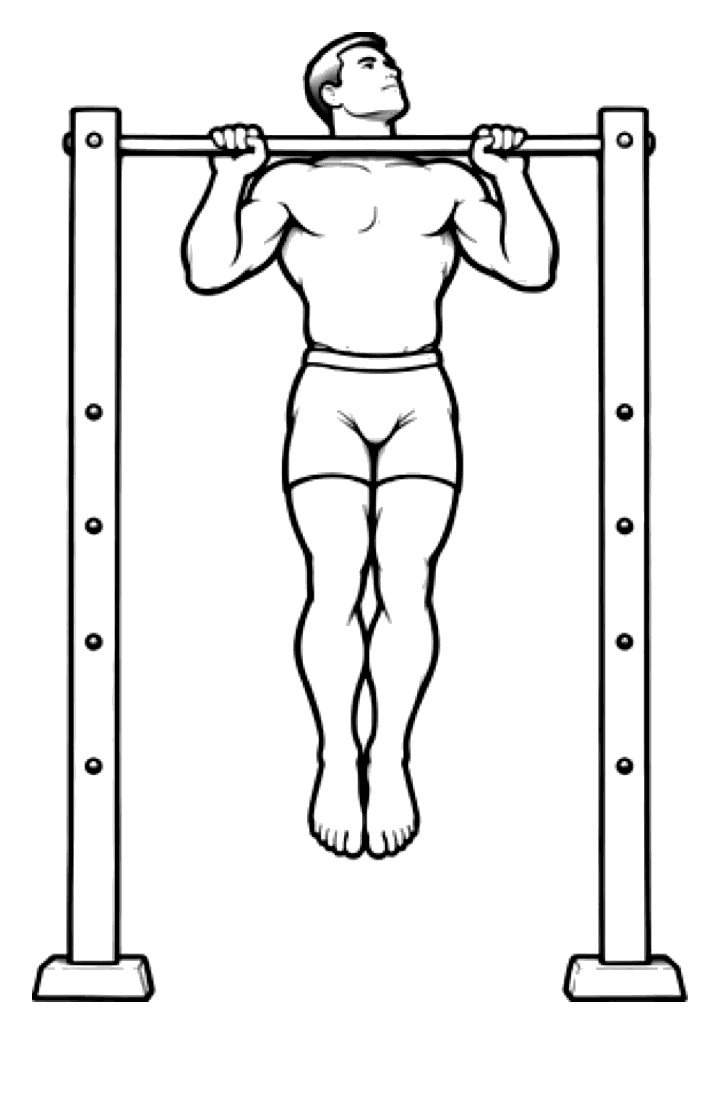
 Pull-up3 × 8–15 reps · rest 90 s
-
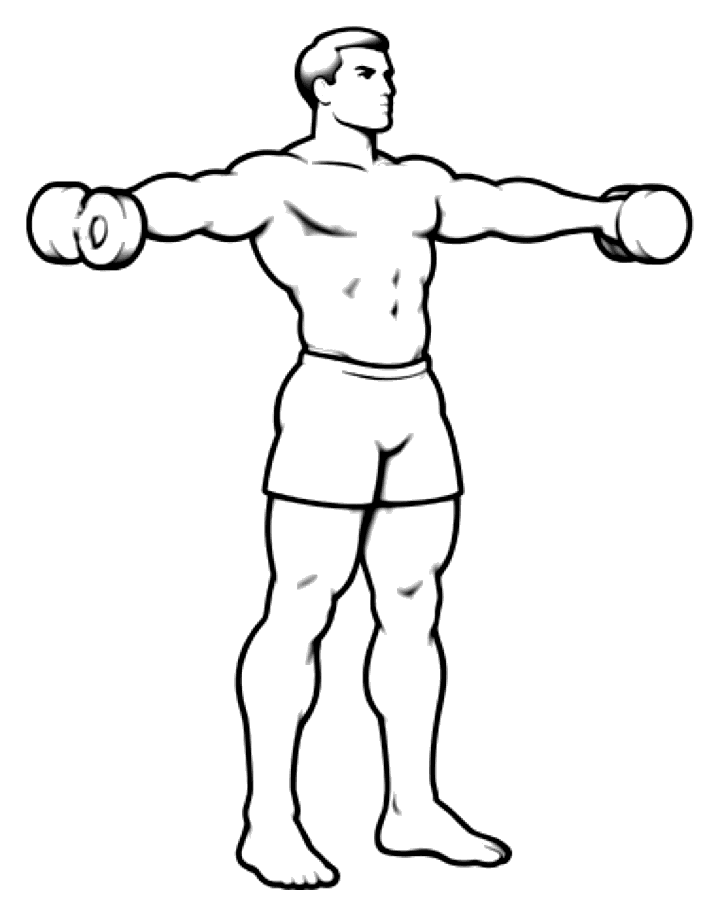
 Lateral Raise (Dumbbell)3 × 12–15 reps · rest 60 s
BLower bodyTue · 40 min · Quads, hamstrings, calves
-
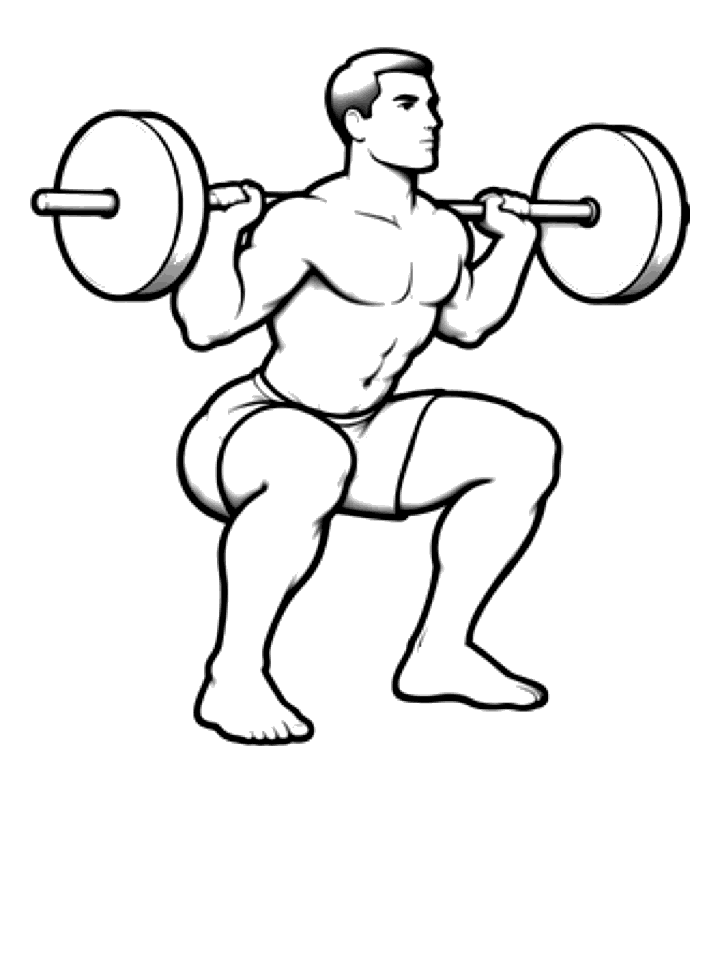
 Squat (Barbell)3 × 6–8 reps · rest 2:30 min
-
 Romanian Deadlift (Barbell)3 × 8–10 reps · rest 2 min
-
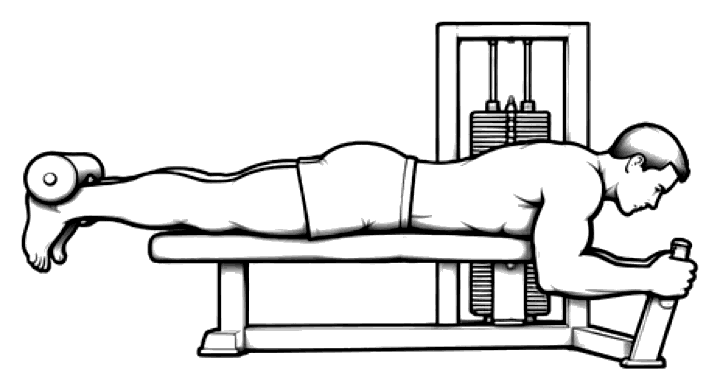 Lying Leg Curl (Machine)3 × 10–12 reps · rest 90 s
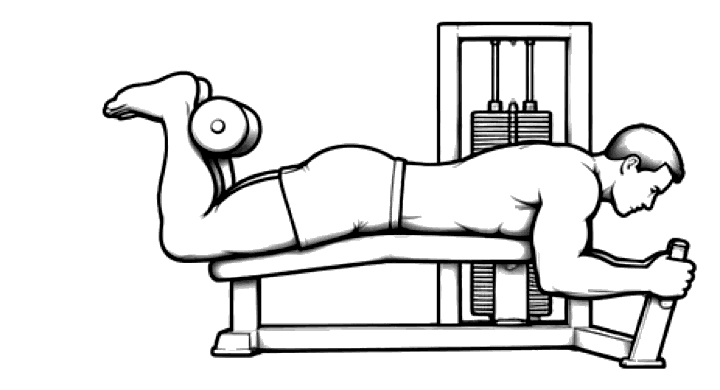
Works Hamstrings · also Calves
-
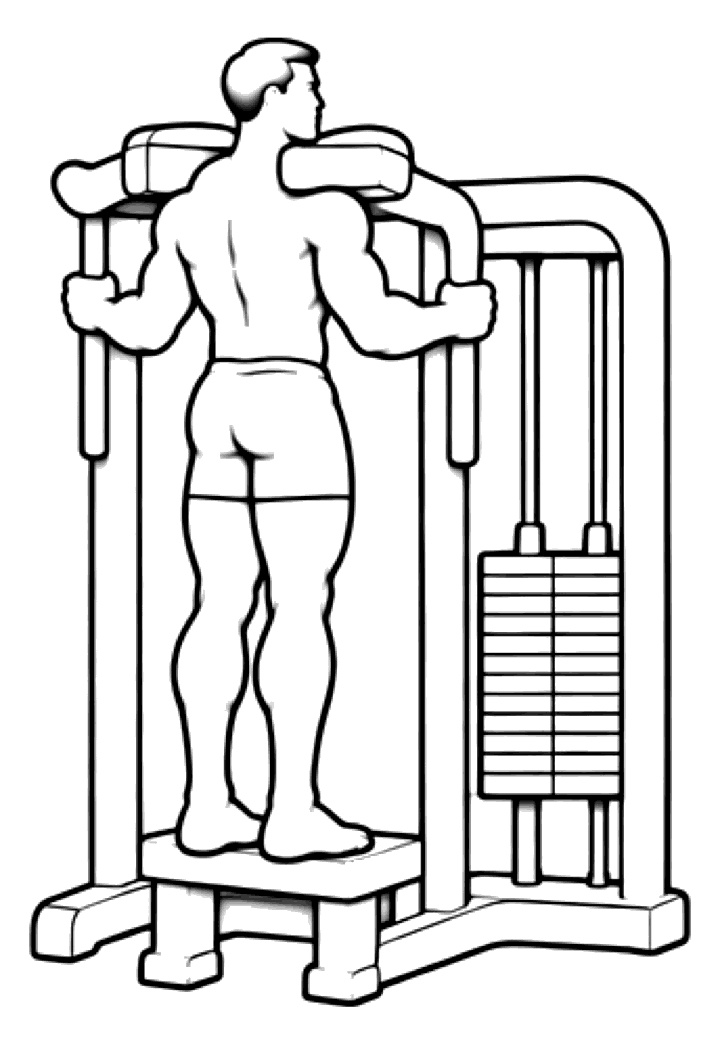 Standing Calf Raise (Machine)3 × 12–15 reps · rest 60 s
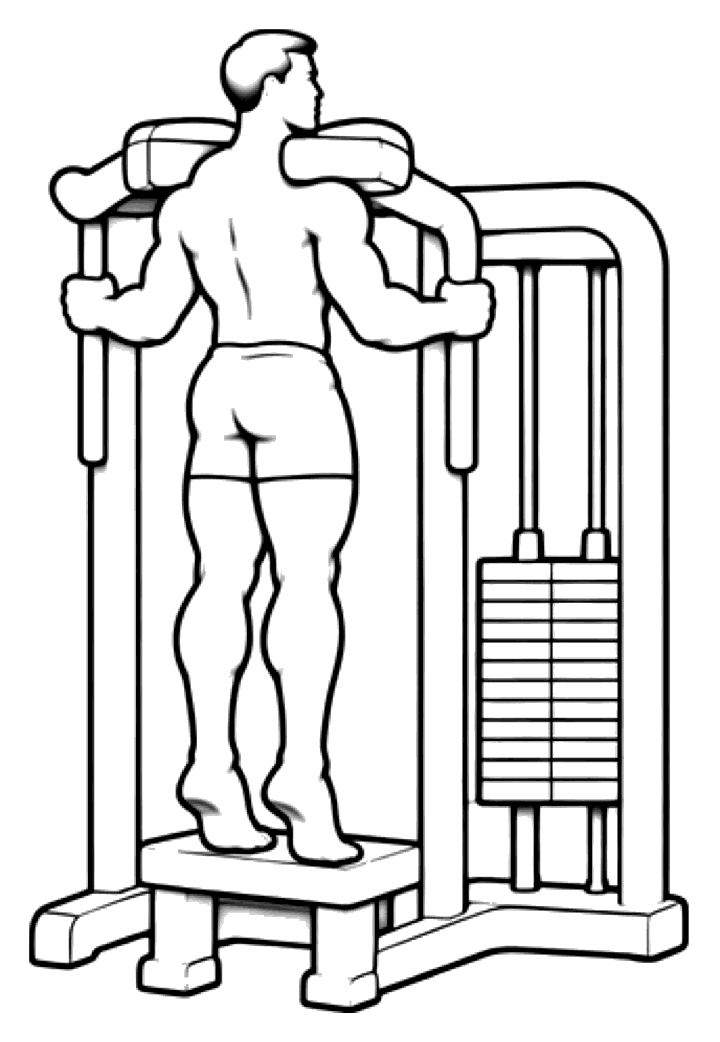
Works Calves
-
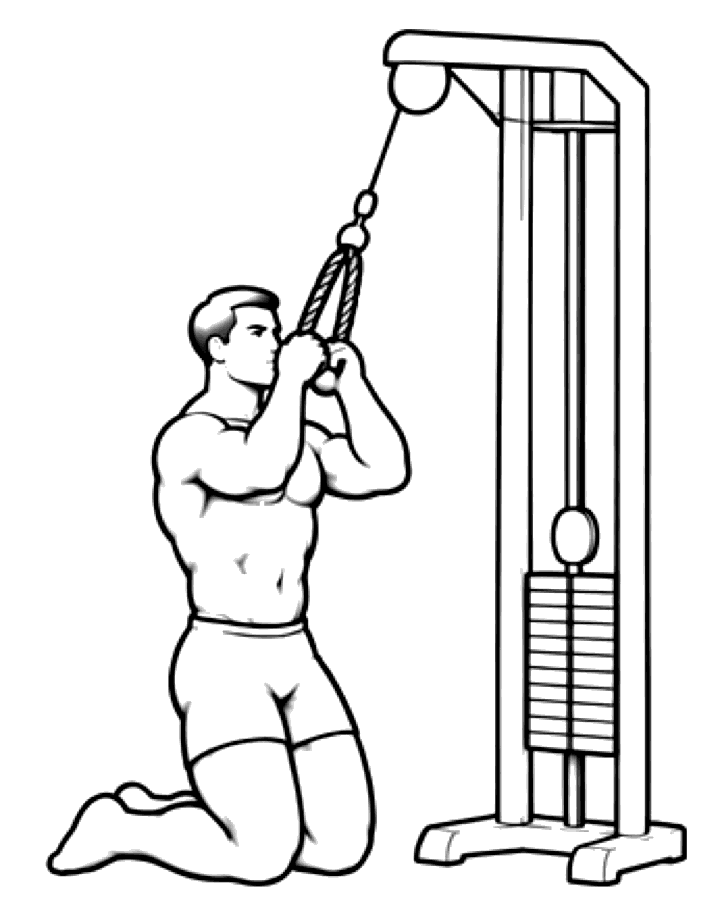 Cable Crunch3 × 12–15 reps · rest 60 s
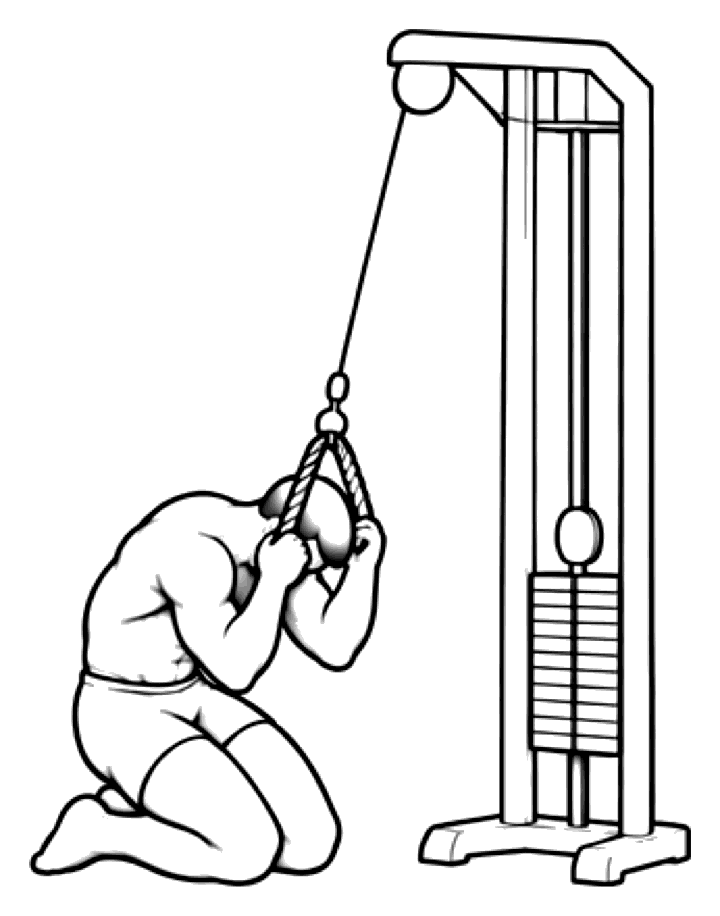
Works Abs
CPush · chest & shouldersWed · 40 min · Chest, shoulders, triceps
-
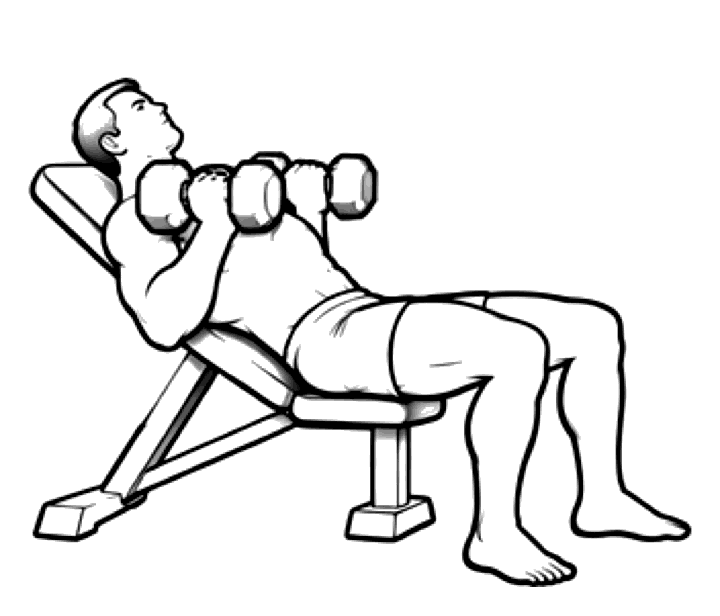 Incline Bench Press (Dumbbell)3 × 6–8 reps · rest 2:30 min
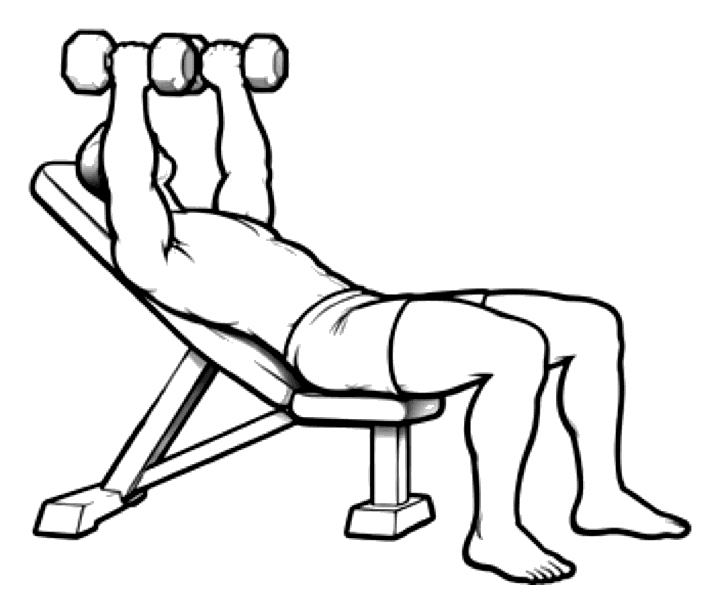
Works Chest · also Shoulders, Triceps
-
Overhead Press (Barbell)3 × 8–10 reps · rest 2 min
-
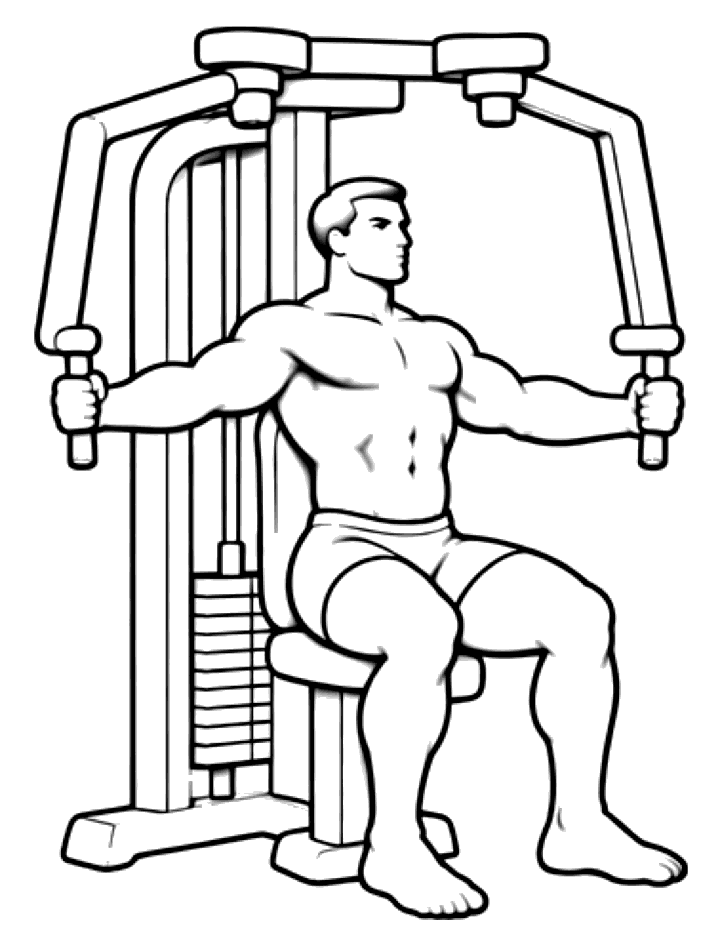 Pec Deck (Machine)3 × 12–15 reps · rest 60 s
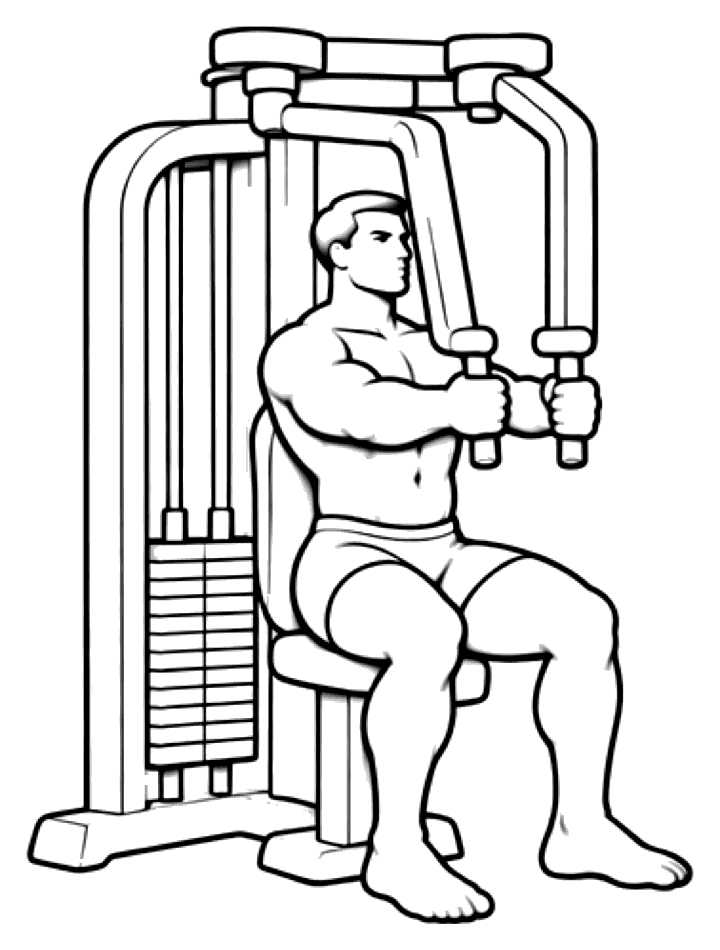
Works Chest · also Shoulders
-
Lateral Raise (Dumbbell)3 × 12–15 reps · rest 60 s
-
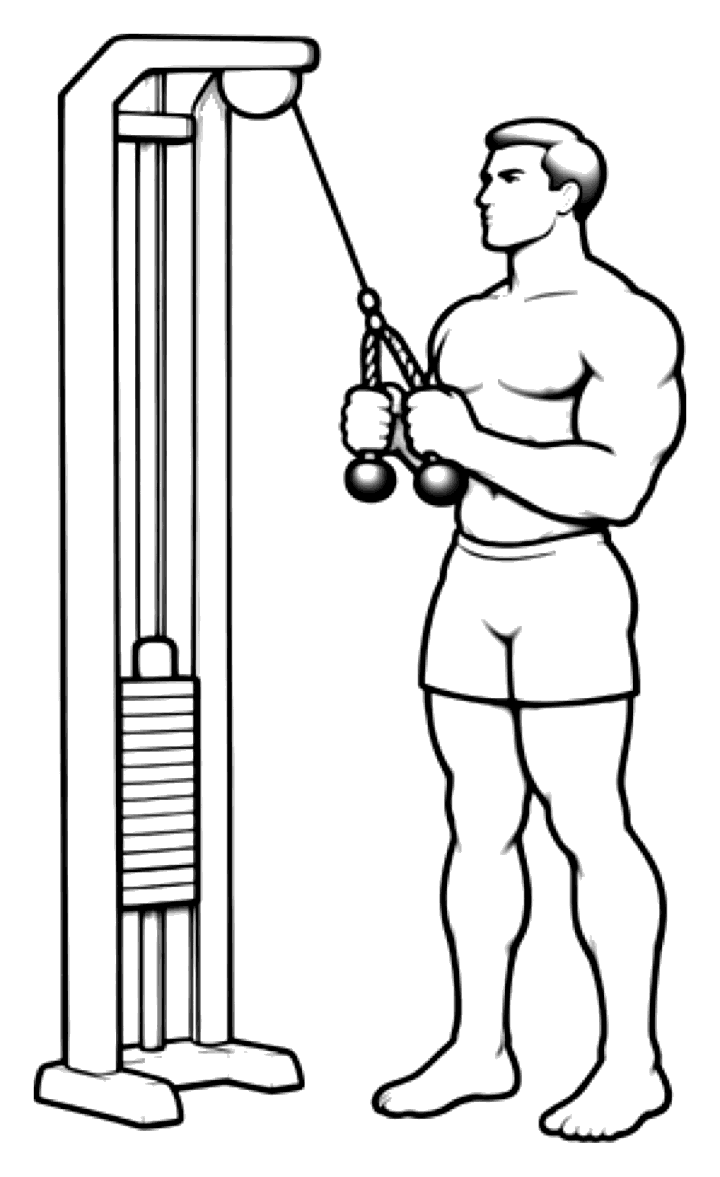 Triceps Rope Pushdown (Cable)3 × 12–15 reps · rest 60 s
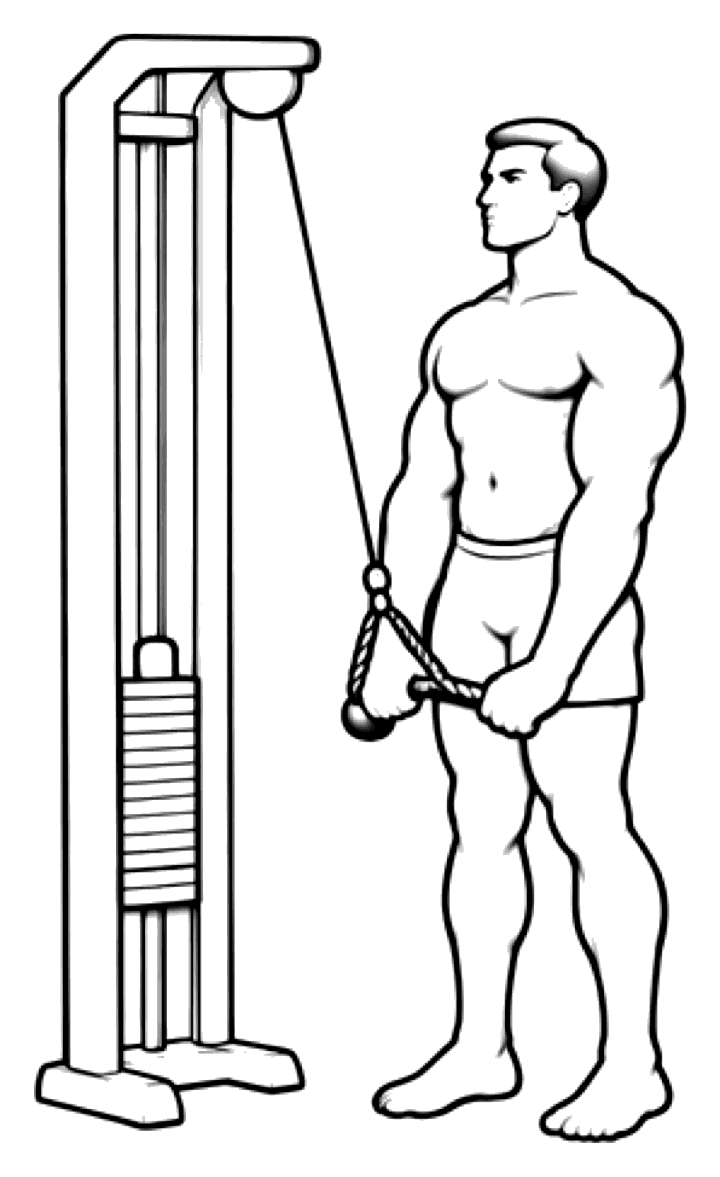
Works Triceps
DPull · back & armsThu · 40 min · Back, rear delts, biceps
-
Pull-up3 × 8–15 reps · rest 2:30 min
-
Bent Over Row (Barbell)3 × 8–10 reps · rest 2 min
-
 Face Pull (Cable)3 × 12–15 reps · rest 60 s
-
 Bicep Curl (Dumbbell)3 × 12–15 reps · rest 60 s
-
 Hammer Curl (Dumbbell)3 × 12–15 reps · rest 60 s
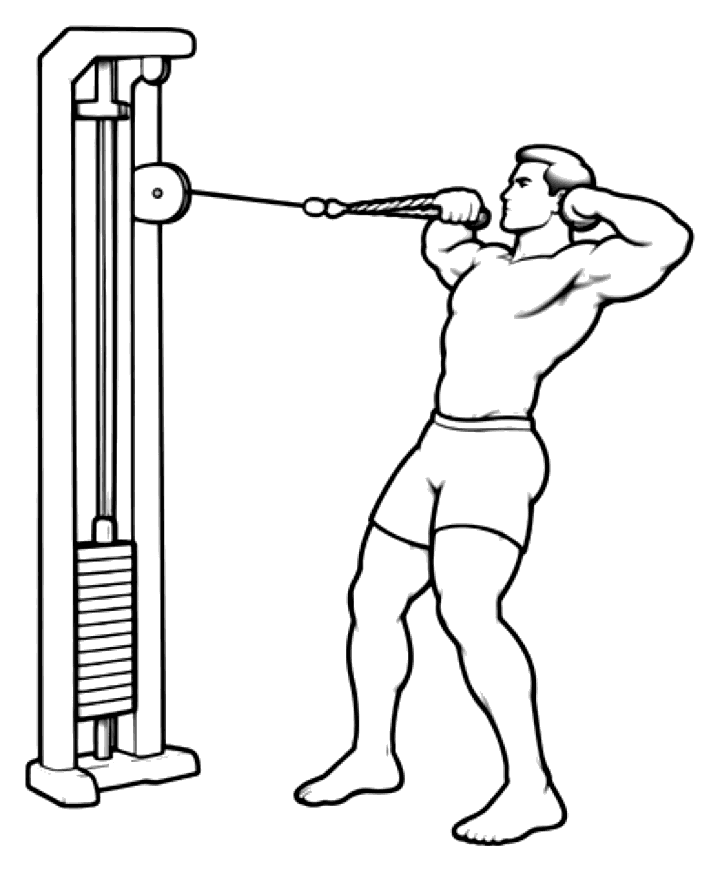
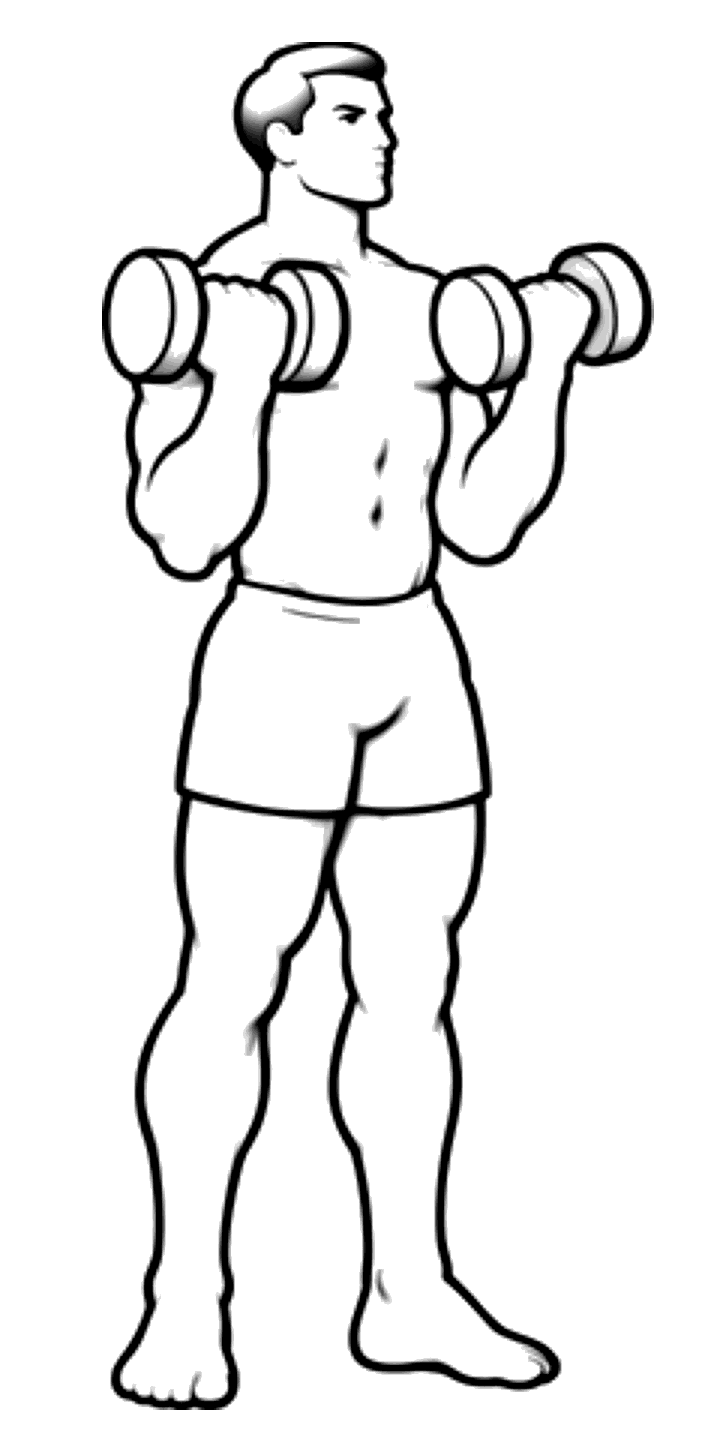
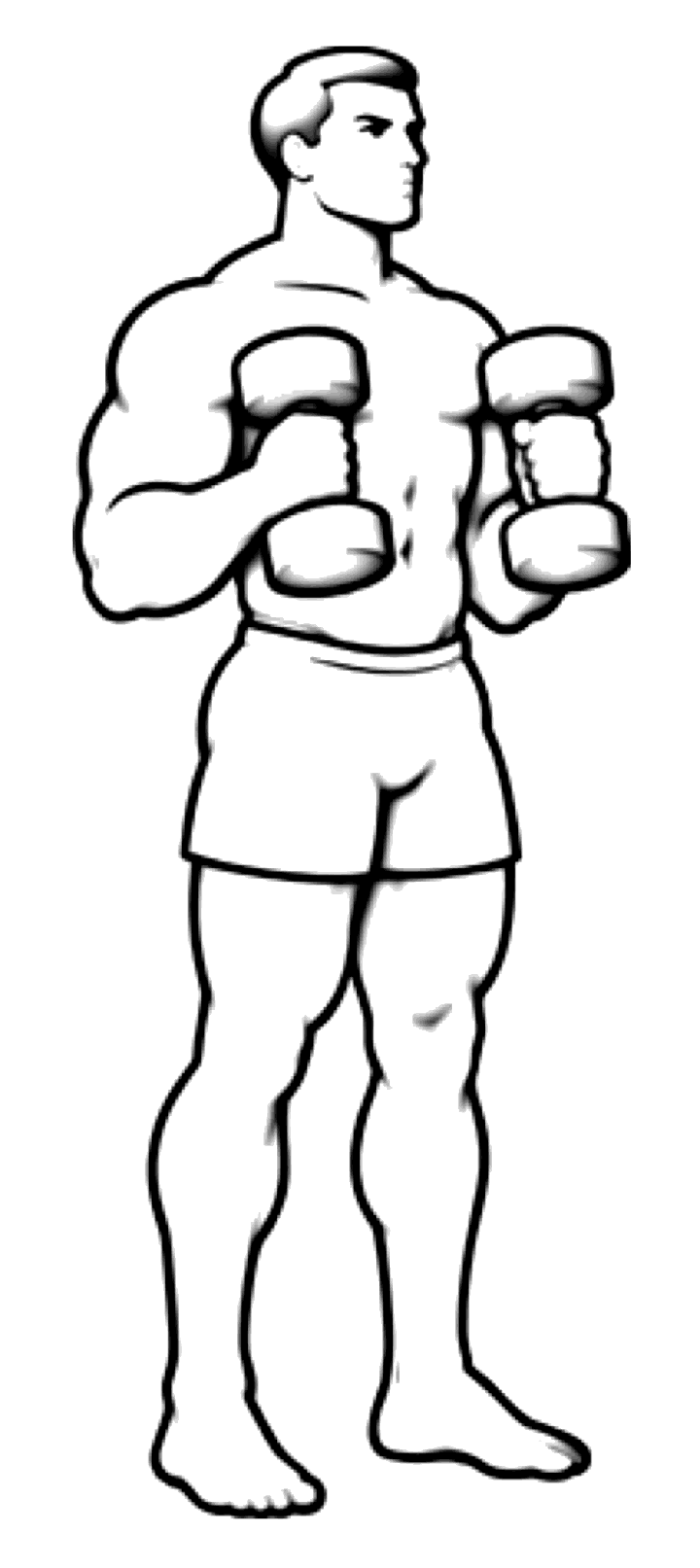
ELegs · deadlift dayFri · 40 min · Hamstrings, glutes, quads
-
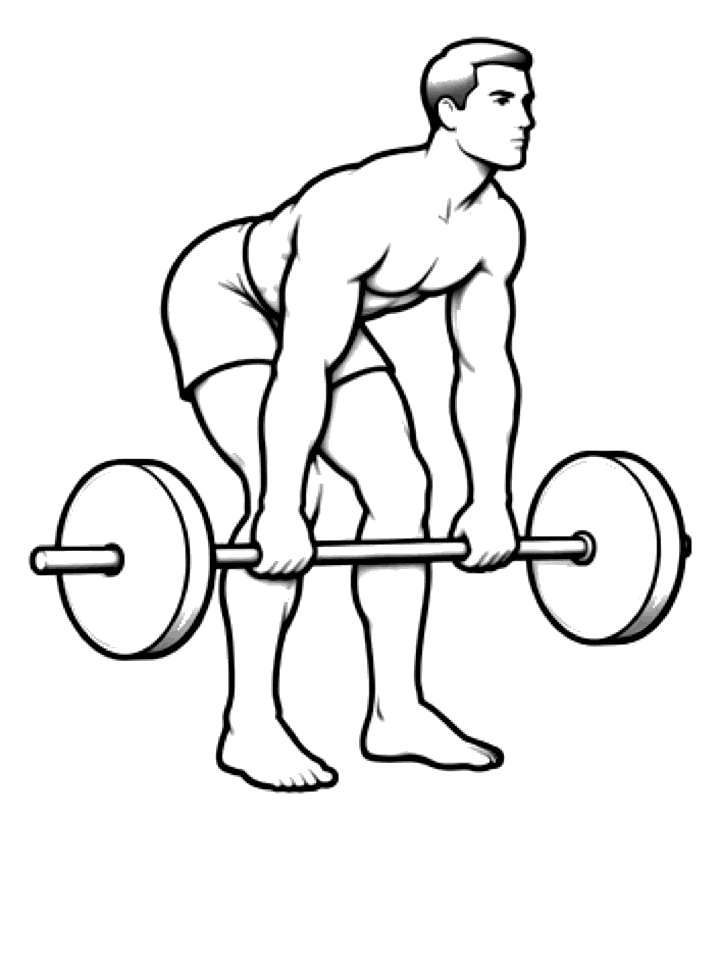
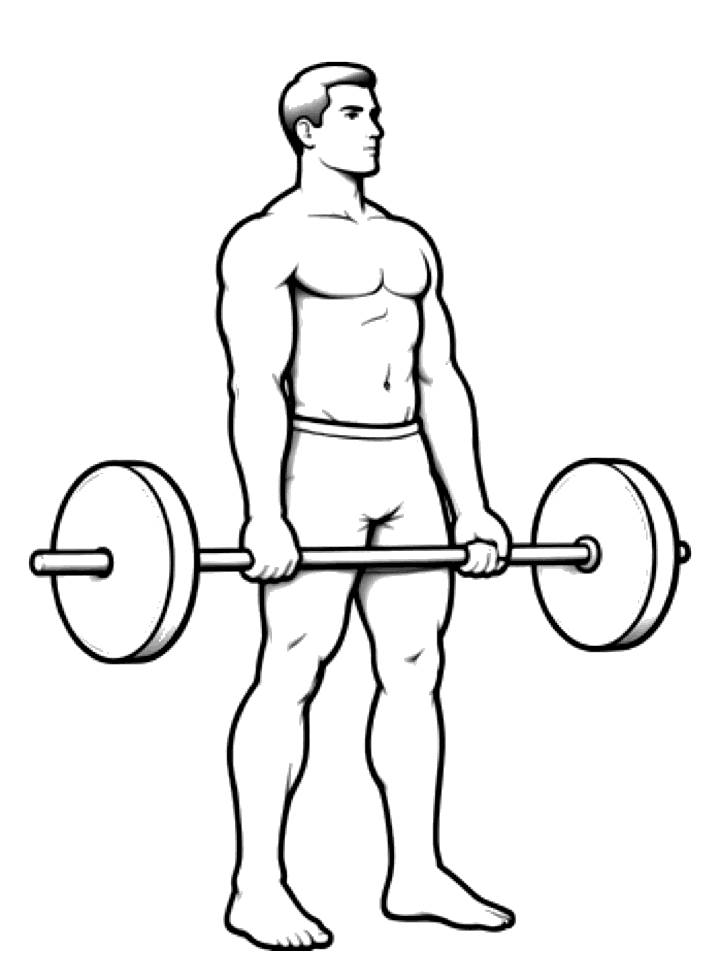
 Deadlift (Barbell)3 × 6–8 reps · rest 2:30 min
-
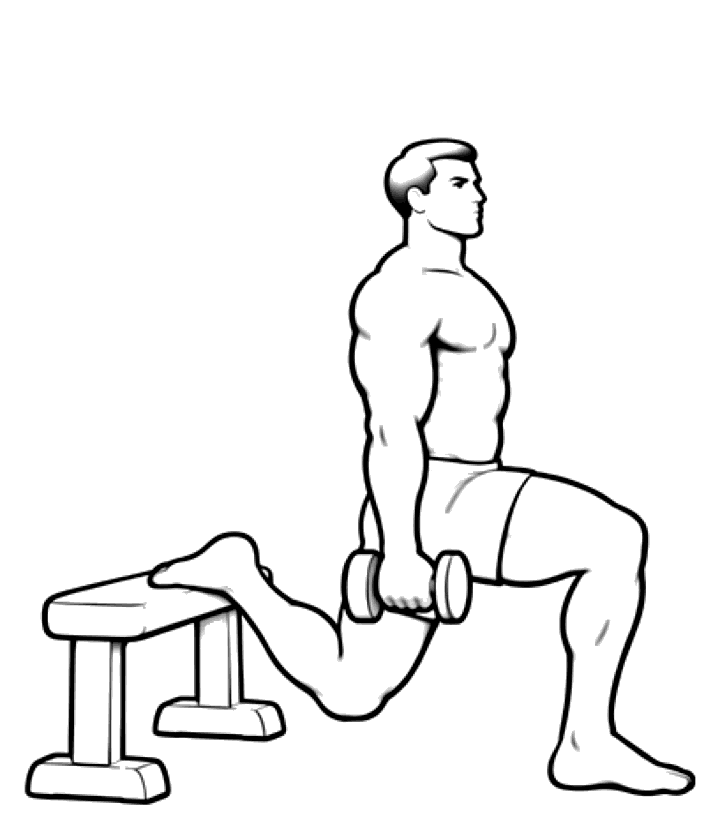
 Bulgarian Split Squat (Dumbbell)3 × 8–10 reps · rest 2 min
-
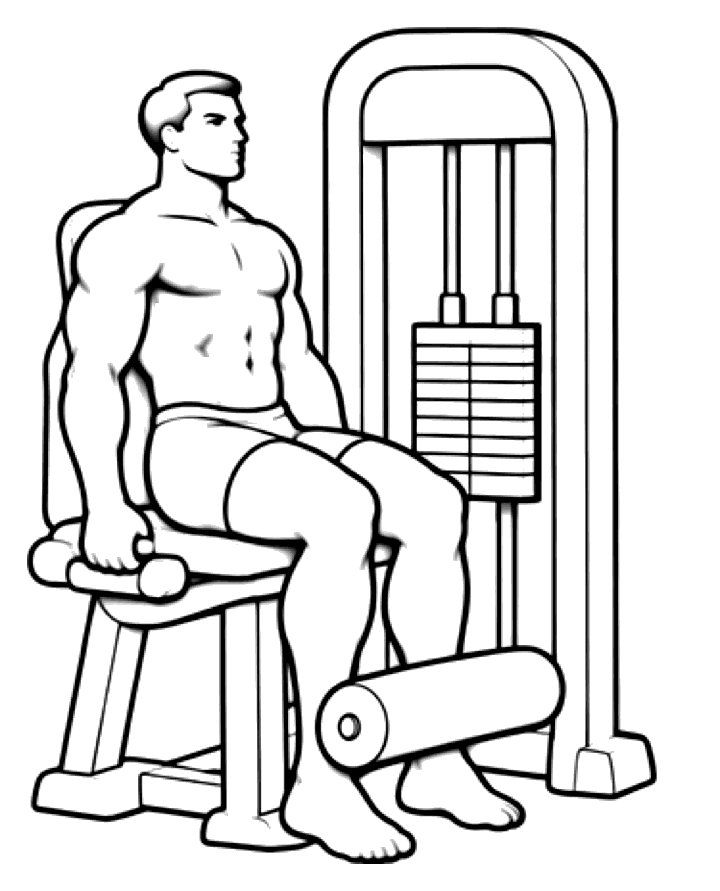 Leg Extension (Machine)3 × 10–12 reps · rest 90 s
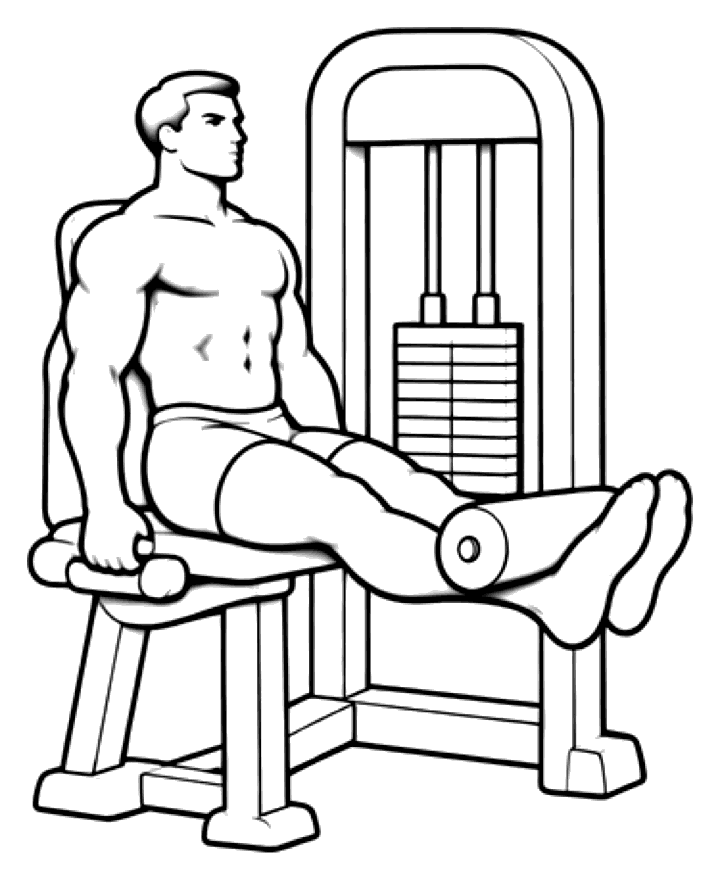
Works Quads
-
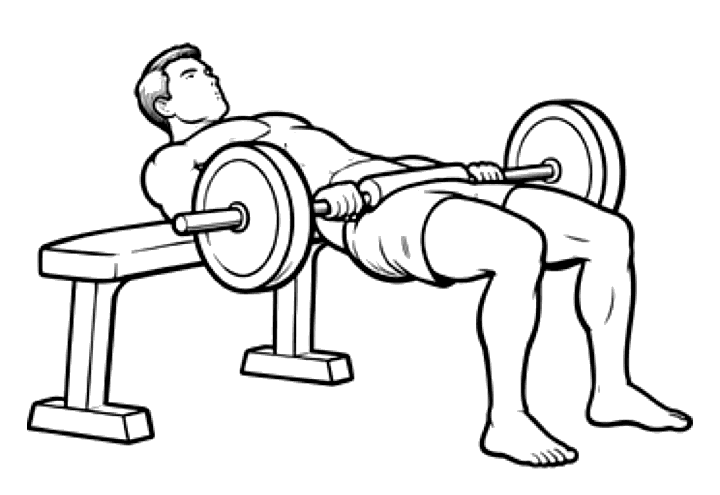
 Hip Thrust (Barbell)3 × 10–12 reps · rest 90 s
-
Standing Calf Raise (Machine)3 × 12–15 reps · rest 60 s
Works Calves
How hard Stop with about 2 reps left in the tank.
How to progress Hit the top of the rep range on every set, then add weight next time (bodyweight moves: add reps).
General guidance for healthy adults. Stop any exercise that hurts, and check with a professional if you have an injury or a medical condition.
Log this plan in Physicly: physicly.app
 Track this plan in PhysiclyLogs every set · for iPhone
Two halves, then three parts.
- Mon A Upper body Chest, back, shoulders · 40 min
- Tue B Lower body Quads, hamstrings, calves · 40 min
- Wed C Push · chest & shoulders Chest, shoulders, triceps · 40 min
- Thu D Pull · back & arms Back, rear delts, biceps · 40 min
- Fri E Legs · deadlift day Hamstrings, glutes, quads · 40 min
- SatRest
- SunRest
Why upper and lower first, then push, pull, legs?
The upper and lower days come first in the week, when you are freshest, and carry the heaviest work: bench press, squats, rows. The push, pull and leg days that follow use other main lifts, such as incline presses, pull-ups and deadlifts.
So the two sessions each muscle gets are different, not copies. Your chest is pressed flat on Monday and on an incline on Wednesday, your legs squat on Tuesday and deadlift on Friday.
Twice a week, every group.
Hard sets per muscle a week counting each exercise toward its main muscles
- Shoulders15
- Back12
- Chest9
- Quads9
- Hamstrings9
- Calves6
- Biceps6
- Glutes6
- Abs3
- Triceps3
10 sets: a common weekly target for growth
Why do glutes and triceps get so few direct sets?
Because the big lifts already train them hard. Glutes work in every squat, deadlift and split squat; triceps in every press. The chart only counts the main muscle of each exercise.
If glutes are a goal, pick Glutes as a focus in the generator: it adds hip thrusts or kickbacks on the lower-body days.
Five days, balanced load.
| Split | Days a week | Each muscle | Session | Best for |
|---|---|---|---|---|
| Beginner plan | 3 | 3× a week | ~40 min | Your first months |
| Full body routine | 3 | 3× a week | 40–45 min | Busy weeks |
| Upper lower split | 4 | 2× a week | ~40 min | Most lifters |
| Dumbbell only plan | 4 | 2× a week | ~40 min | Home with dumbbells |
| 5-day split this page | 5 | 2× a week | ~40 min | Training most weekdays |
| Push pull legs | 6 | 2× a week | ~40 min | Experienced, recovers well |
Five days or six: which builds more muscle?
Both train each muscle twice a week, so the gap is smaller than one extra day suggests. Six days of push pull legs adds about 15 more hard sets a week; whether you grow from them depends on sleep and food.
If you often miss your sixth session, this five-day week will give you more than an unfinished six-day one.
5-day split, explained
Who it’s for, the schedule, the volume and how to progress.
What is a 5-day workout split?
A 5-day split spreads your training over five sessions a week. The version here combines two proven splits: an upper day and a lower day early in the week, then a push, a pull and a leg day. Every muscle is trained twice, Monday to Friday, with the weekend for recovery.
The sample above is the Physicly engine’s 5-day plan for an intermediate lifter at the gym. The upper and lower days are built around the bench press and the squat; the push, pull and leg days around incline presses, pull-ups and deadlifts, so the second session of each muscle uses different lifts.
Who is a 5-day split for?
Intermediate and advanced lifters who like training most weekdays and can recover from it. It gives more total work than a 4-day upper/lower split without the six sessions of push pull legs.
The generator opens it from intermediate experience. New lifters are capped at four days, and with bodyweight only at home the week stops at four as well; with dumbbells, bands or a bench, a home 5-day plan is possible.
What does the weekly schedule look like?
Monday upper, Tuesday lower, Wednesday push, Thursday pull, Friday legs, weekend off. Legs get two days between their sessions; chest and shoulders get Tuesday off between Monday and Wednesday.
Prefer a free weekday? Move one session to Saturday, keeping a day between the lower day and the leg day if you can.
How many sets per muscle a week?
Counting each exercise toward its main muscles only, the sample gives back and shoulders about 12 hard sets a week, chest and quads about 9, and hamstrings, calves and biceps about 6 each, with more indirect work from the compound lifts. Five workouts of five exercises add up to about 75 sets a week.
That fits the common guideline of about 10–20 hard sets per muscle a week for the large groups. If one area lags, add it as a focus: the generator puts an extra isolation exercise on the days that train it.
How do you progress on a 5-day split?
Work inside each exercise’s rep range and stop about two reps short of failure. When every set reaches the top of the range, add the smallest weight step. Main lifts get 2–2.5 minutes of rest so you can keep the weight up.
With five sessions it’s easy to drift. Keep the same exercises for six to eight weeks and log them; the Physicly app does that and tells you when to add weight.
What are common 5-day split mistakes?
The “bro split” trap. Chest Monday, back Tuesday, arms Wednesday trains each muscle once a week. Studies comparing the same weekly volume tend to favour training a muscle twice.
Two leg days in a row. Lower on Tuesday and legs on Wednesday leaves no recovery. Keep upper-body days between them.
Long sessions. Five sessions of 75 minutes is a lot. Five exercises and 40–50 minutes are enough.
5-day split vs other splits
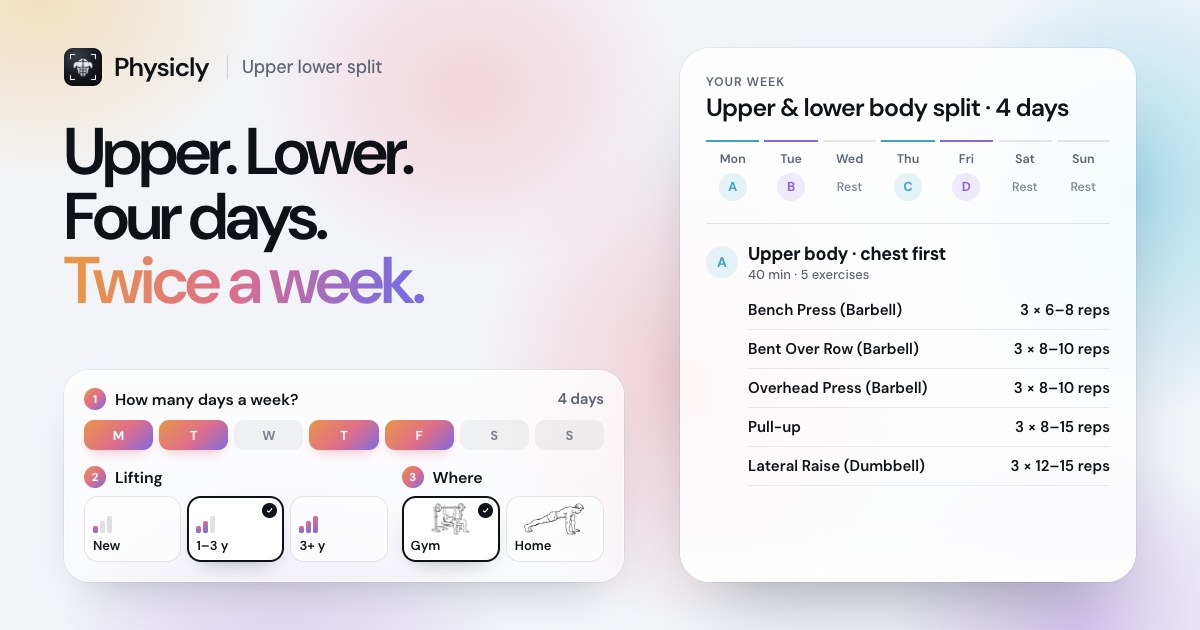
Versus upper lower at four days: one extra session and more weekly sets. Versus push pull legs at six: one fewer session, the same twice-a-week frequency.
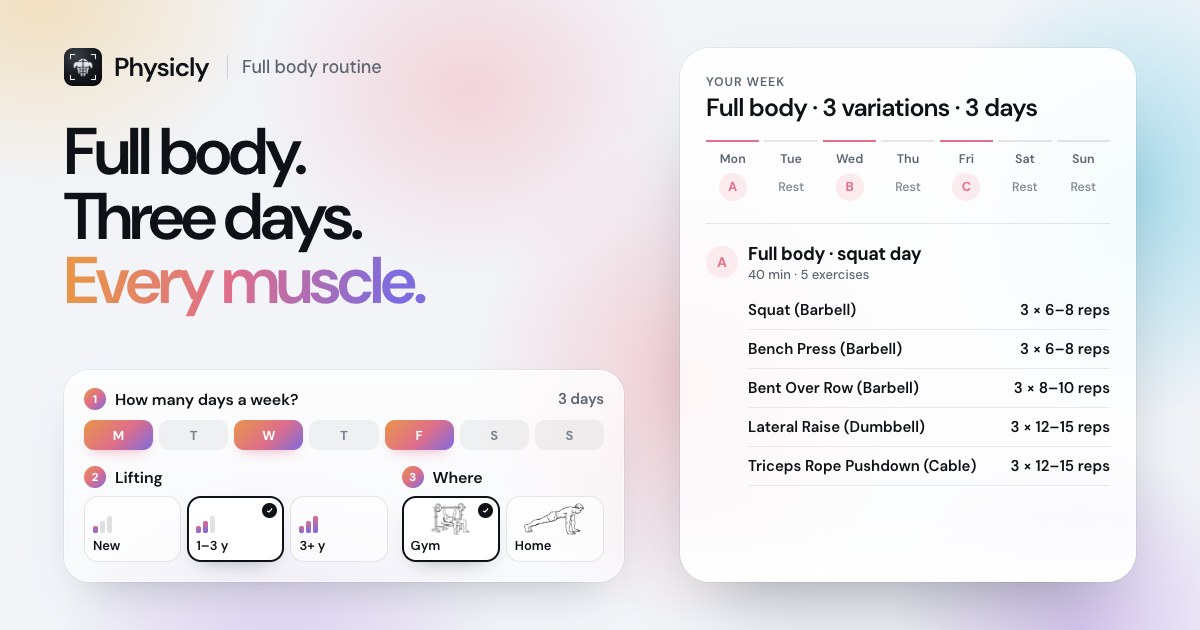
Can’t commit to five every week? A full body routine at three days covers every muscle twice or more and survives a busy week better.
Which split fits you?
Pick by the days you can train every week, or let the generator choose from six questions.
 Full body routine
 Upper lower split
 Push pull legs
 Dumbbell only plan
 Beginner plan
 Build your own plan
5-day split questions
Something else? Write to [email protected].
What is the best 5-day workout split?
Upper, lower, push, pull, legs. It trains each muscle twice a week in five sessions. A 5-day bro split (chest day, back day, arm day…) gives each muscle one hard session a week, which builds muscle more slowly for most people.
Is a 5-day split too much?
Not for an intermediate lifter who sleeps well and keeps sessions around 40–50 minutes. New lifters do better on 3–4 days, which is why the Physicly generator caps them at 4 until they choose to keep more.
Which days should I rest on a 5-day split?
Saturday and Sunday is the simplest: train Monday to Friday. If your weekends are free, any two rest days work, ideally not between the two leg sessions.
Is the 5-day bro split bad?
It isn’t bad, it’s less efficient. Training each muscle once a week with many sets works, but studies comparing the same weekly volume tend to favour training each muscle twice. The upper, lower, push, pull, legs split keeps five days and gets that frequency.
Can I do a 5-day split at home?
Yes, with some equipment. The Physicly generator offers home plans up to 5 days when you have dumbbells, bands, a bench or a pull-up bar; with bodyweight only, it caps the week at 4 days.
How long should each session be on a 5-day split?
Plan on roughly 40 minutes: every session in the sample week is five exercises of three sets. Over five days that adds up to about 75 hard sets, enough for steady progress.
Log this plan. See what grows.
Physicly builds this program in the app, logs every set, tells you when to add weight and shows your physique change from one photo a day.
 Or scan it with your iPhone camera.