 Physicly
Beginner workout plan
Three full body days a week with machines and dumbbells first. A complete gym program for your first months.
A good beginner workout plan is 3 full body sessions a week on alternate days, with 6 exercises per session: one squat or hinge, a press, a row and a few smaller moves. Big moves get 3 sets and smaller ones 2, stopping about two reps short of failure. Machines and dumbbells come before barbells, so you learn the patterns safely.
Full body
Sample week: 3-day beginner workout plan
Your whole body every session, alternating two workouts. The simplest way to train often.
Log this plan in Physicly
The app builds this same program from your answers, records every set and tells you when to add weight.
Get this plan in the appPhysicly for iPhone- MonAFull body
- TueRest
- WedBFull body
- ThuRest
- FriAFull body
- SatRest
- SunRest
2 workouts take turns: next week starts with B, so each one comes up equally often.
AFull body · squat dayMon · Fri · 40 min · Legs, chest, back
-
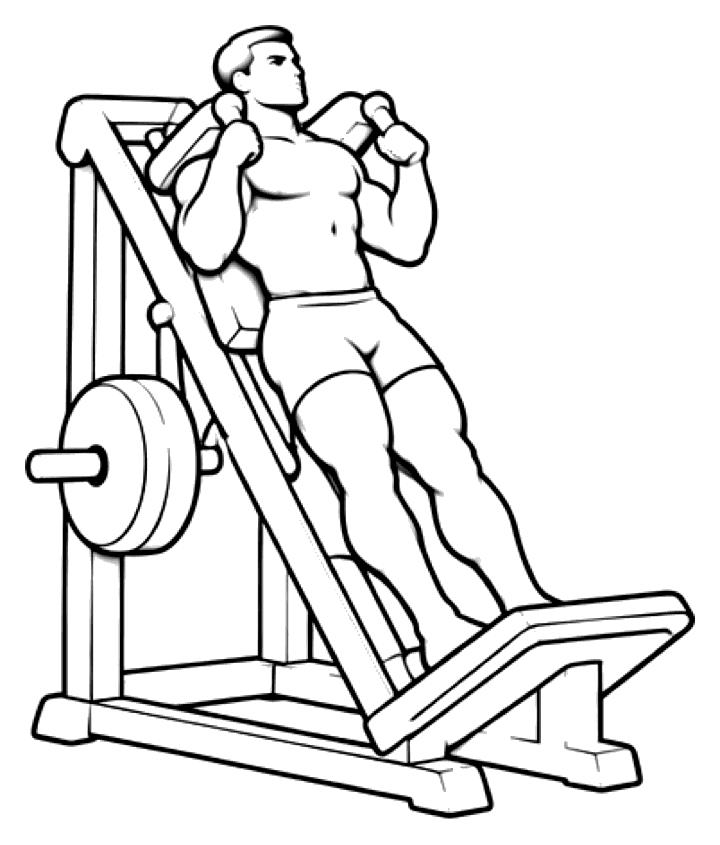 Hack Squat (Machine)3 × 6–8 reps · rest 2:30 min
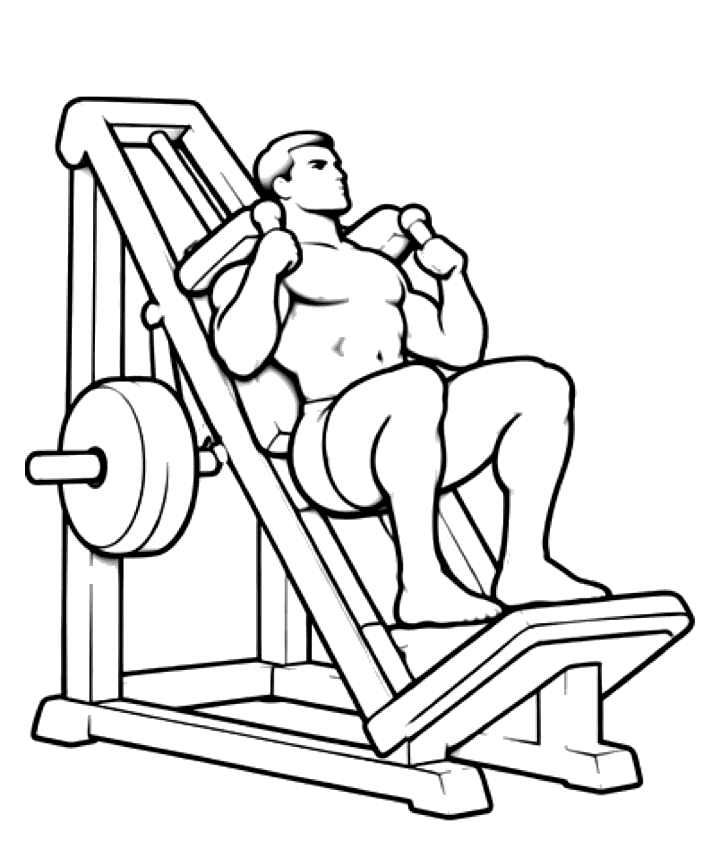
Works Quads · also Glutes
-
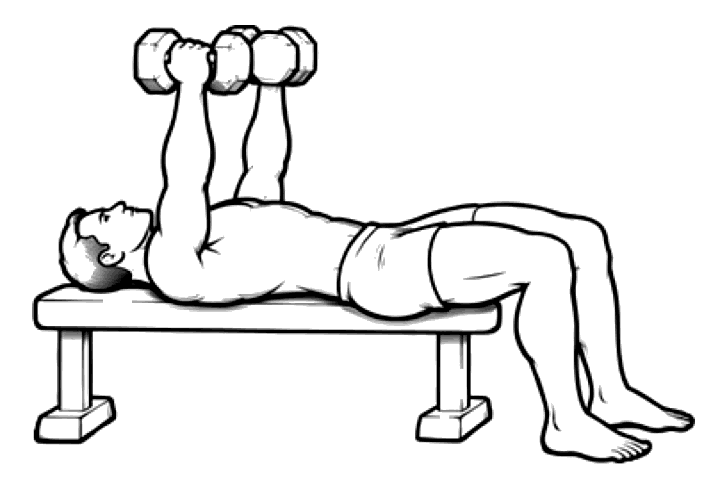 Bench Press (Dumbbell)3 × 6–8 reps · rest 2:30 min
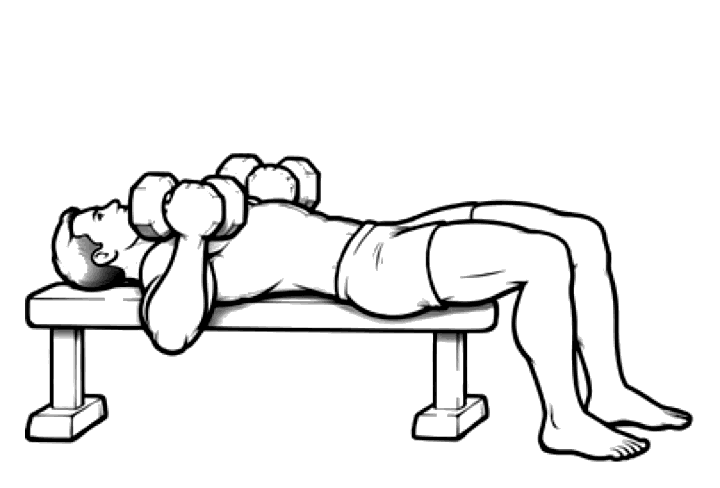
Works Chest · also Triceps, Shoulders
-
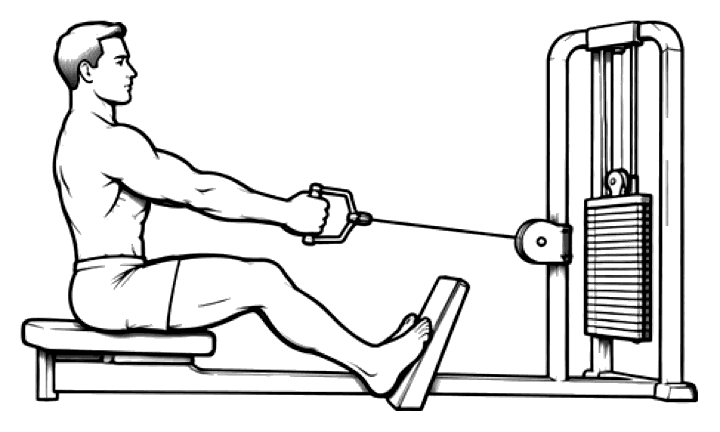 Seated Row (Cable)3 × 8–10 reps · rest 2 min
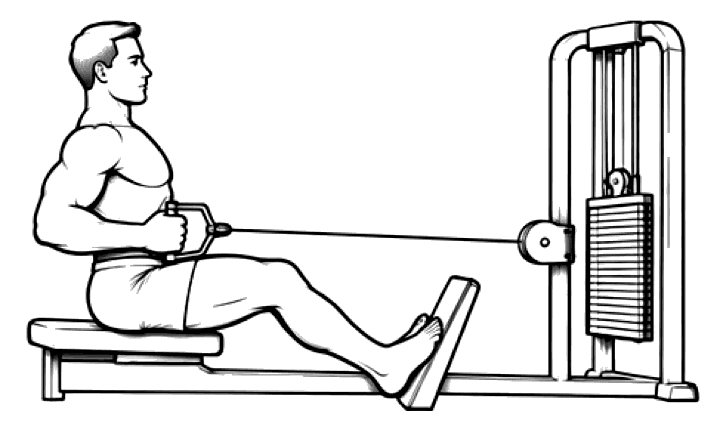
Works Back · also Biceps, Traps
-
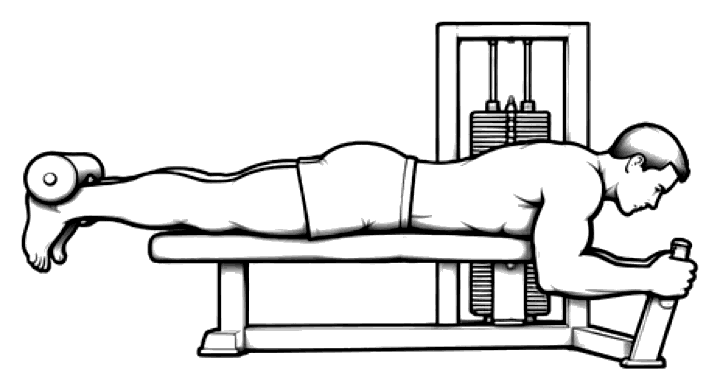 Lying Leg Curl (Machine)2 × 10–12 reps · rest 90 s
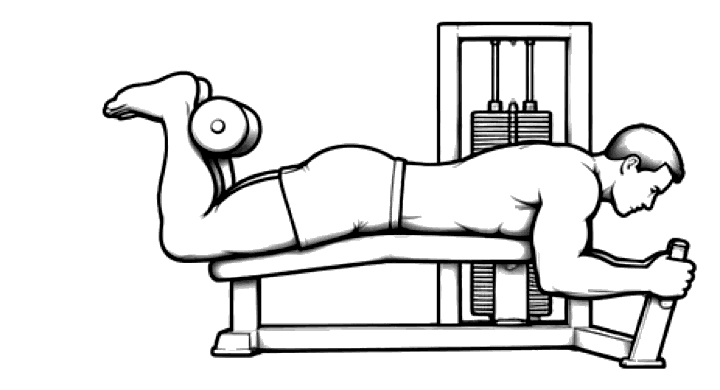
Works Hamstrings · also Calves
-
 Lateral Raise (Dumbbell)2 × 12–15 reps · rest 60 s
-
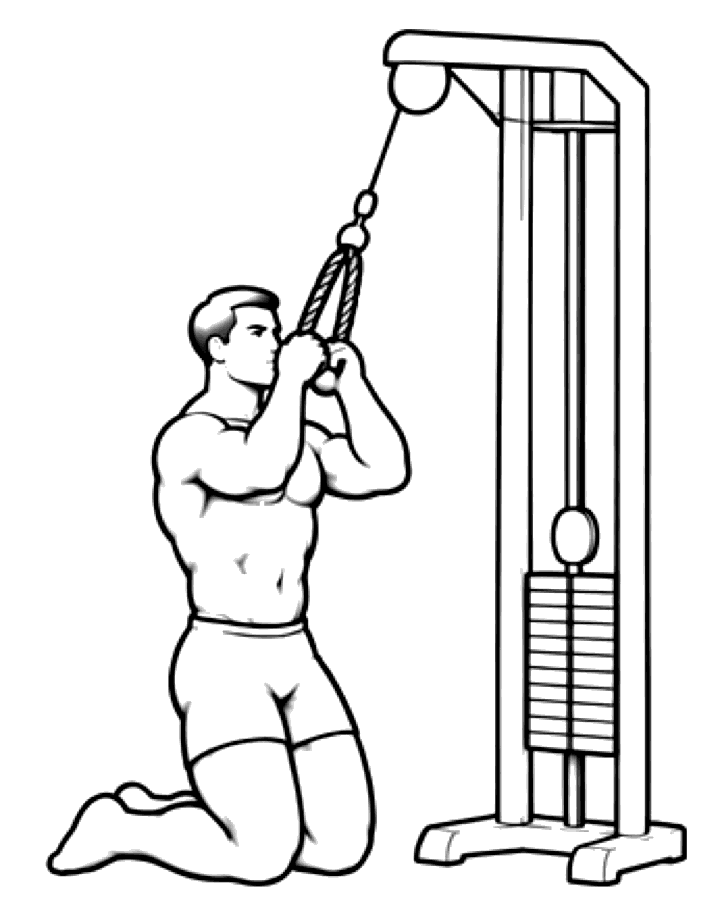 Cable Crunch2 × 12–15 reps · rest 60 s
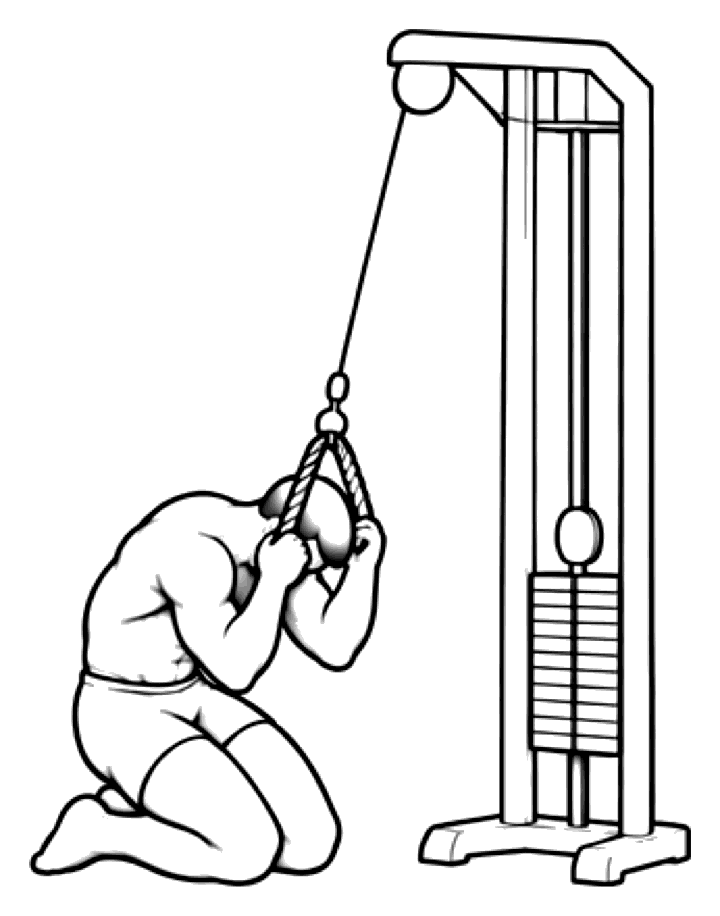
Works Abs
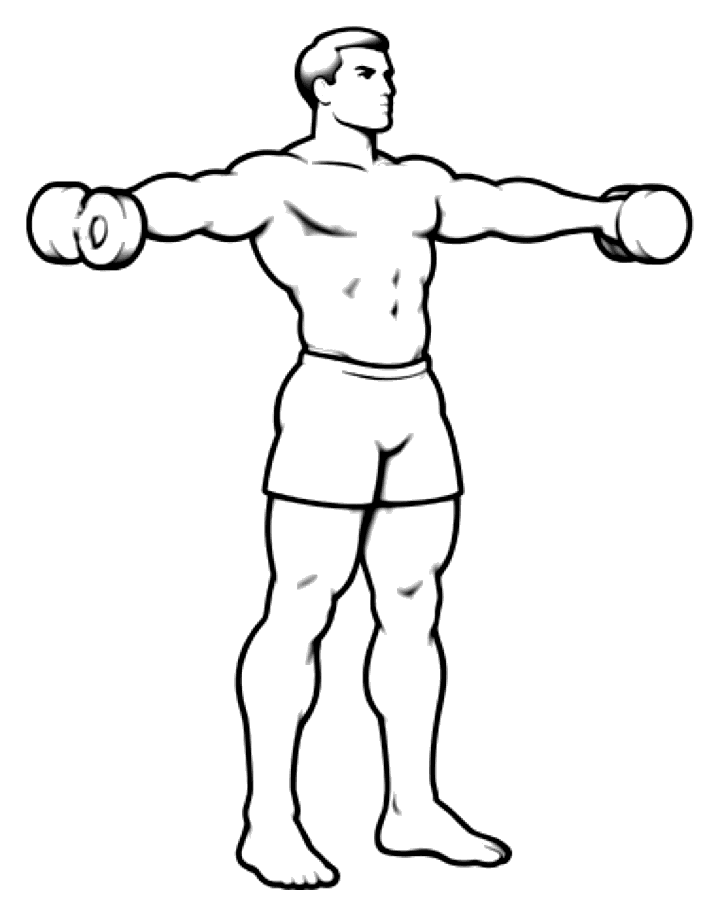
BFull body · hinge dayWed · 40 min · Hamstrings, shoulders, back
-
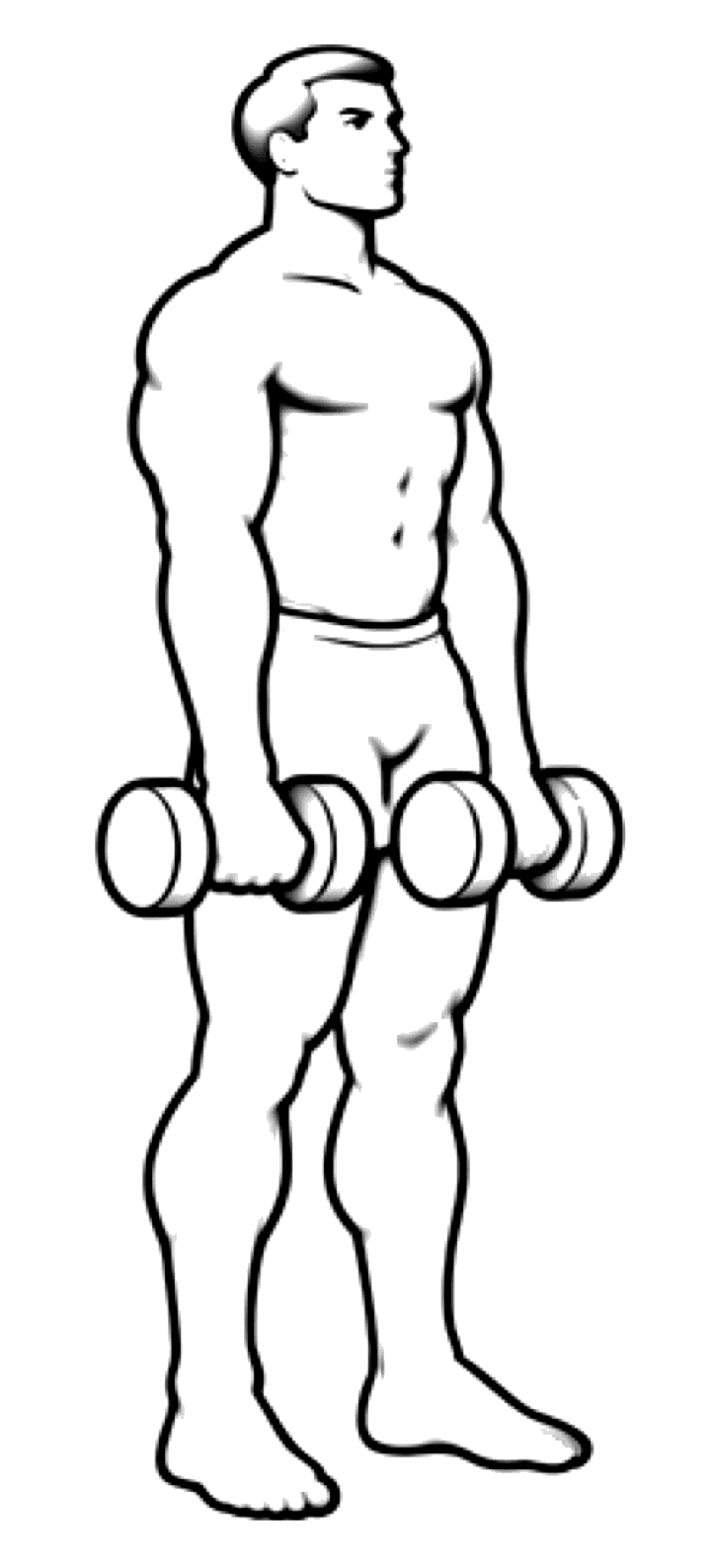 Romanian Deadlift (Dumbbell)3 × 6–8 reps · rest 2:30 min
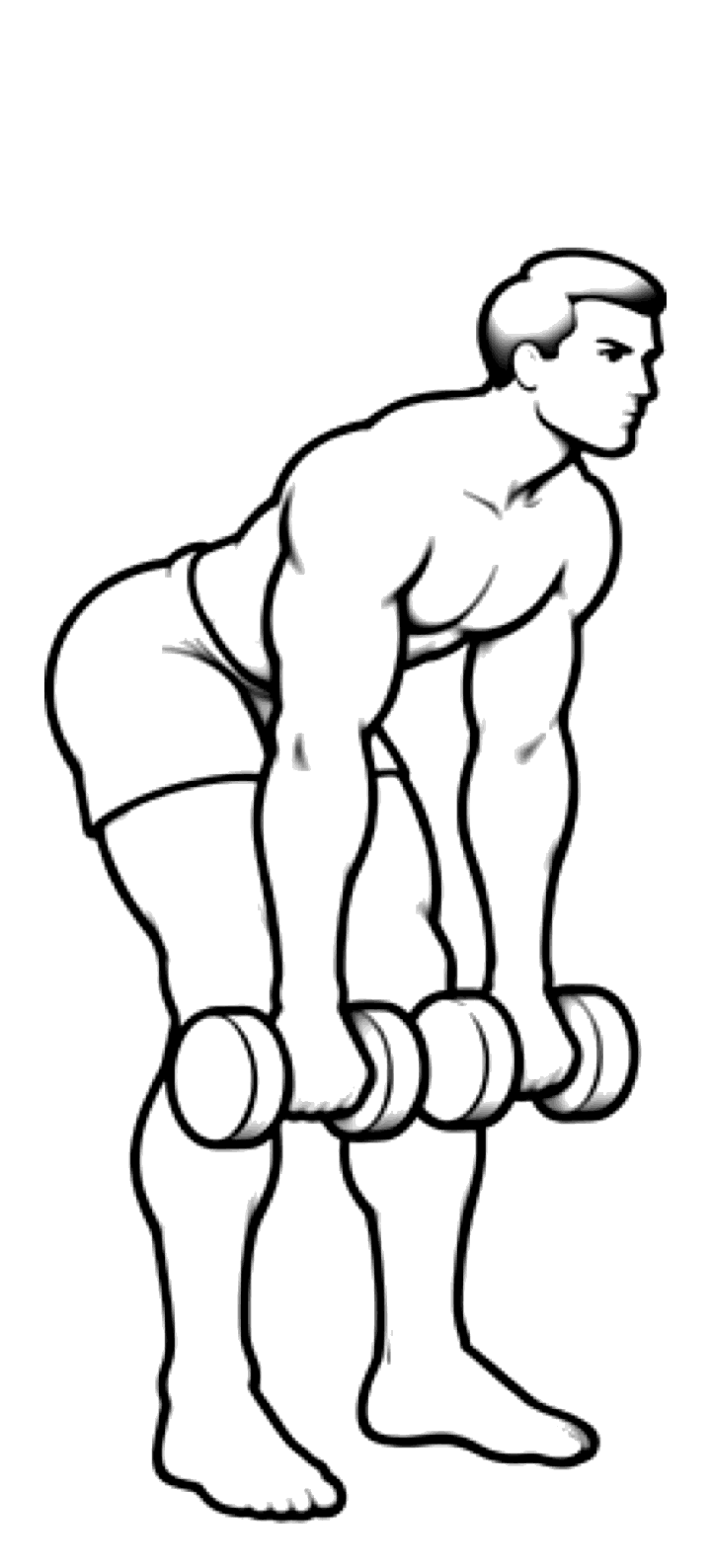
Works Hamstrings · also Glutes, Back
-
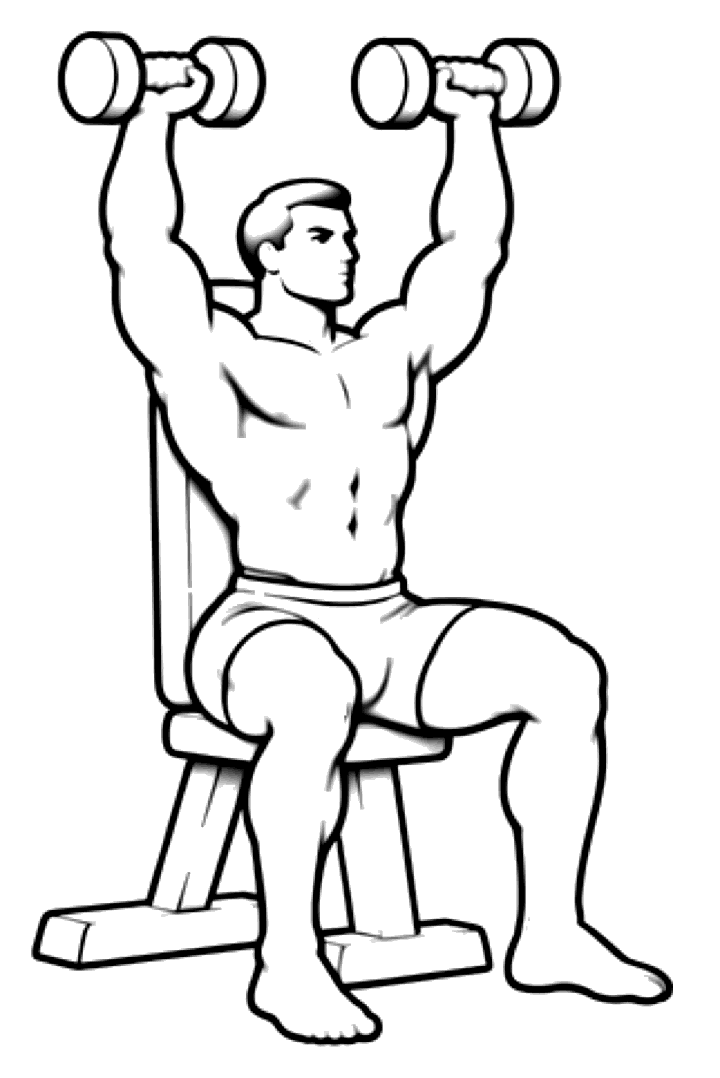
 Shoulder Press (Dumbbell)3 × 8–10 reps · rest 2 min
-
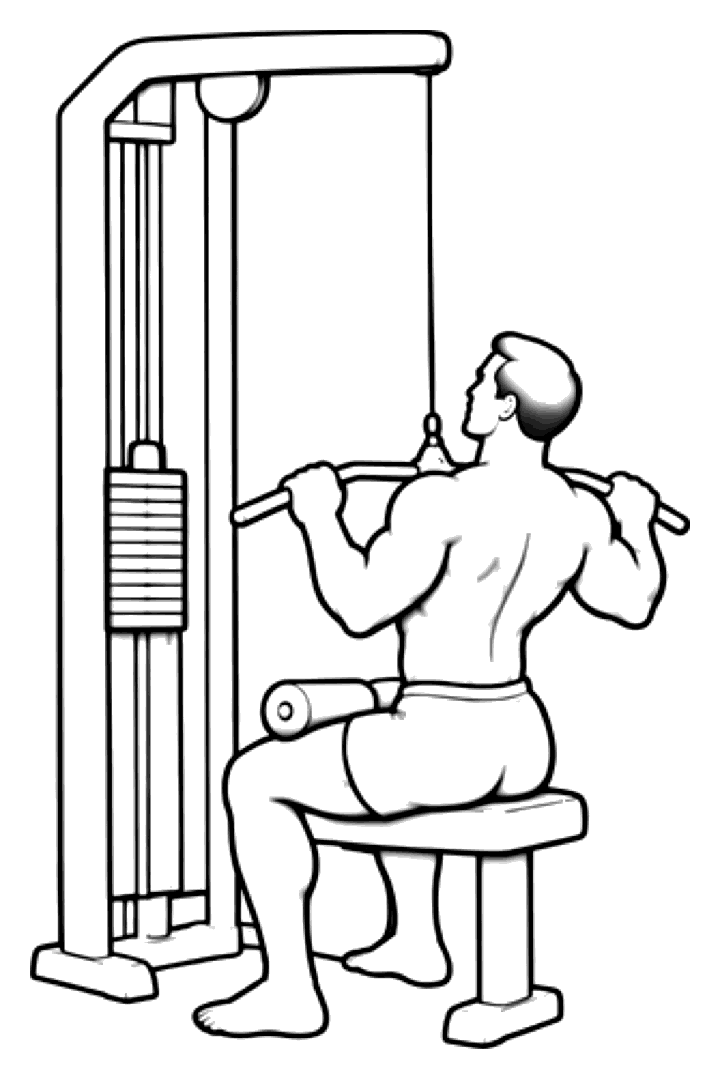
 Lat Pulldown (Cable)3 × 8–10 reps · rest 2 min
-
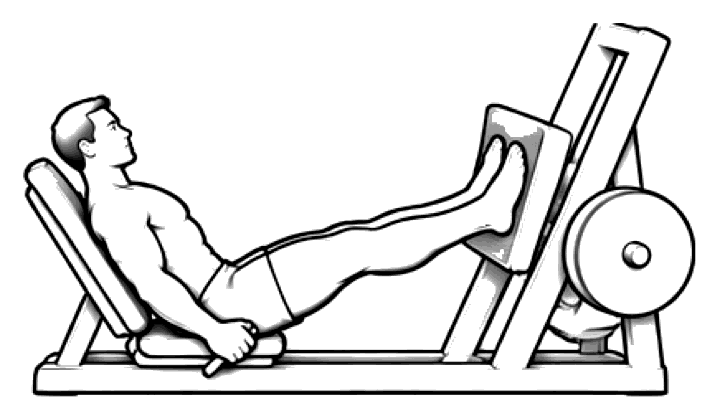
 Leg Press (Machine)2 × 10–12 reps · rest 90 s
-
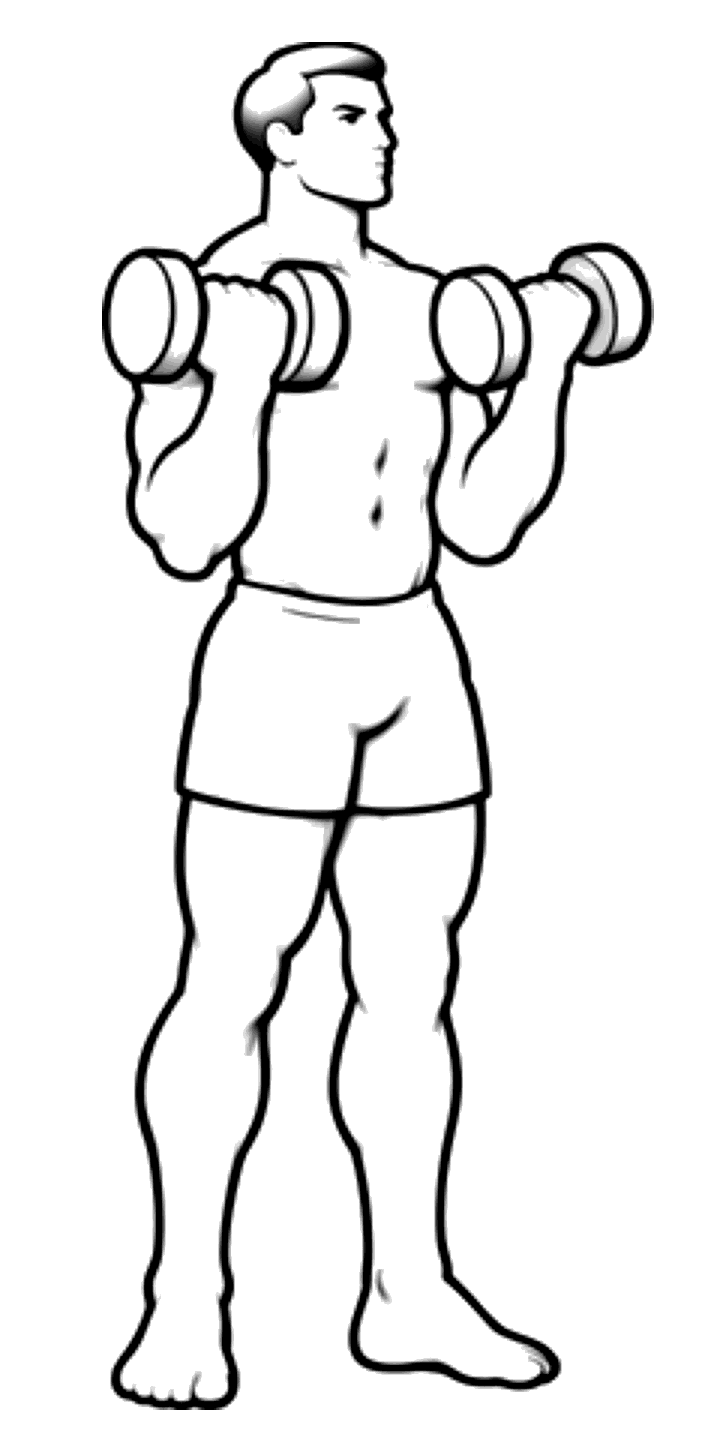
 Bicep Curl (Dumbbell)2 × 12–15 reps · rest 60 s
-
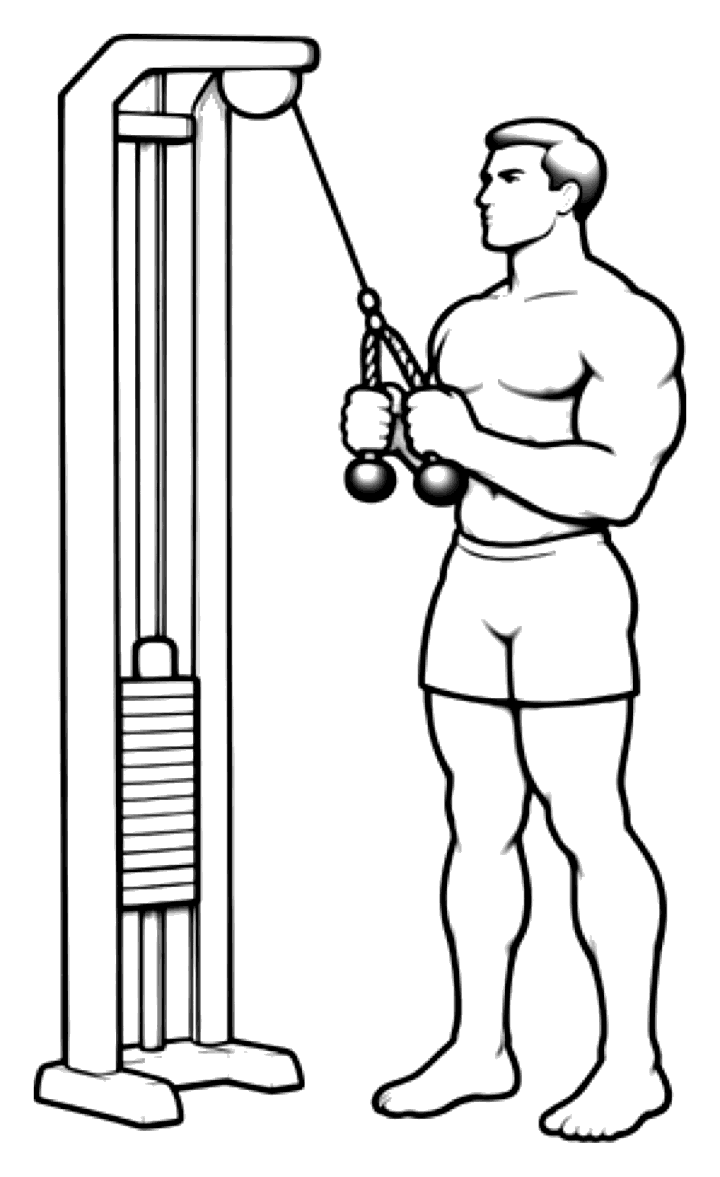 Triceps Rope Pushdown (Cable)2 × 12–15 reps · rest 60 s
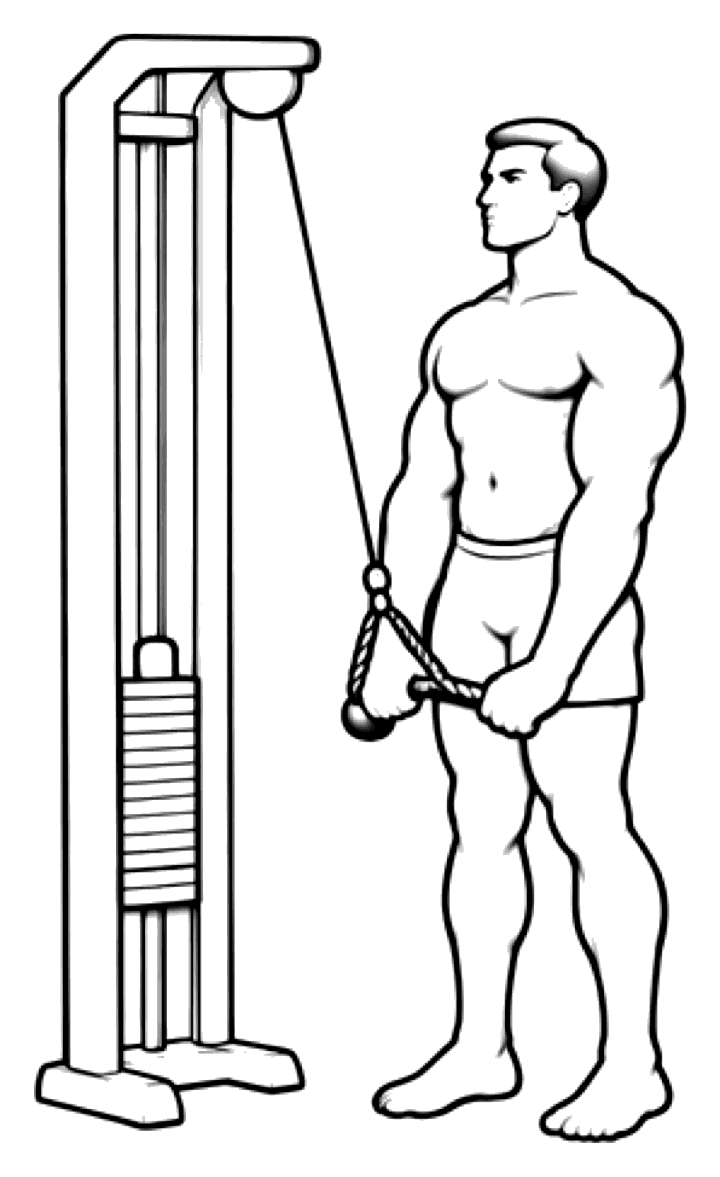
Works Triceps
How hard Stop with about 2 reps left in the tank.
How to progress Hit the top of the rep range on every set, then add weight next time (bodyweight moves: add reps).
General guidance for healthy adults. Stop any exercise that hurts, and check with a professional if you have an injury or a medical condition.
Log this plan in Physicly: physicly.app
 Track this plan in PhysiclyLogs every set · for iPhone
Two workouts, taking turns.
- Mon A Full body · squat day Legs, chest, back · 40 min
- TueRest
- Wed B Full body · hinge day Hamstrings, shoulders, back · 40 min
- ThuRest
- Fri A Full body · squat day Legs, chest, back · 40 min
- SatRest
- SunRest
Why only two different workouts?
Learning a lift takes repetition. With two workouts alternating three days a week, you practice every movement at least once a week, and the squat day and hinge day each come up again before you forget them.
Fewer exercises to learn also means less time reading the plan in the gym, and more time lifting.
Less is plenty at first.
Hard sets per muscle a week counting each exercise toward its main muscles
- Back9
- Quads8
- Hamstrings7
- Shoulders7
- Chest6
- Abs4
- Biceps2
- Triceps2
10 sets: a common weekly target for growth
Why do small muscles get only two sets?
New lifters grow from much less work than experienced ones. Two hard sets of a curl or a lateral raise are enough at the start, and they keep sessions around 40 minutes.
When the weights stop moving up for a few weeks, it's time for more sets. Change your experience to 1–3 years in the generator and it adds them.
Three days, room to grow.
| Split | Days a week | Each muscle | Session | Best for |
|---|---|---|---|---|
| Beginner plan this page | 3 | 3× a week | ~40 min | Your first months |
| Full body routine | 3 | 3× a week | 40–45 min | Busy weeks |
| Upper lower split | 4 | 2× a week | ~40 min | Most lifters |
| Dumbbell only plan | 4 | 2× a week | ~40 min | Home with dumbbells |
| 5-day split | 5 | 2× a week | ~40 min | Training most weekdays |
| Push pull legs | 6 | 2× a week | ~40 min | Experienced, recovers well |
When should you move on from the beginner plan?
Usually after six to twelve months, when adding weight every week or two stops working. The full body routine adds a third workout and more sets; with four days, the upper lower split is the next step.
Don't move on just because it feels simple. Simple plans you can follow beat clever plans you skip.
Beginner plan, explained
Who it’s for, the schedule, the volume and how to progress.
What makes a good beginner workout plan?
A good first plan is simple, short and repeated often. Three full body sessions a week let you practice each movement several times, train every muscle each session and keep workouts around 40 minutes. The goal of the first months is to learn the patterns and build a habit; the muscle follows.
The sample above is the Physicly engine’s plan for someone just starting at the gym: two full body workouts that take turns on Monday, Wednesday and Friday. It uses machines and dumbbells before barbells, 3 sets on the big moves and 2 on the small ones.
Who is this beginner plan for?
Anyone with less than a year of lifting, or coming back after a long break. It assumes you know your way around a gym but not yet every exercise, which is why each move has steps, common mistakes and the muscles it works.
Training at home? Choose Home in the generator and tick what you have; it builds the same kind of plan from dumbbells, bands or bodyweight.
What does the weekly schedule look like?
Workout A on Monday, B on Wednesday, A again on Friday. The next week starts with B, so both come up equally often. Every session trains your whole body, so keep a rest day between them.
Want to train more? The generator caps new lifters at four days. More sessions mostly add tiredness while the movements are new; rest days are when your body adapts.
How many sets and reps should a beginner do?
Big moves such as the hack squat or a dumbbell press get 3 sets of 6–10 reps; smaller moves get 2 sets of 10–15. Counting each exercise toward its main muscles only, that’s about 9 hard sets a week for the back, 8 for the quads and 6 for the chest.
That’s less than an experienced lifter does, on purpose. In the first months almost any consistent training works, and starting with less leaves room to recover and to add sets later.
How should a beginner progress?
Start lighter than you think, and stop each set when about two clean reps are left. Each session, try one more rep. When you reach the top of the range on every set, add the smallest weight step. New lifters often add weight every week or two.
Write it all down. The Physicly app logs every set, suggests the next weight and shows your progress photos side by side, which is the best motivation in the slow first months.
What are common beginner mistakes?
Changing the plan every week. Progress comes from beating last week’s numbers, which needs the same exercises. Stay with one plan for at least 8 weeks.
Lifting with ego. A weight you can’t control teaches the wrong movement. Clean reps first, weight second.
Skipping legs. Leg exercises are the hardest and the easiest to skip. They also train the most muscle.
What comes after the beginner plan?
After 6–12 months, when progress slows, move to more volume: the 3-workout full body routine or, with four days, an upper lower split. Five- and six-day plans such as push pull legs come later.
The workout plan generator builds the next step when you change your experience to 1–3 years.
Which split fits you?
Pick by the days you can train every week, or let the generator choose from six questions.
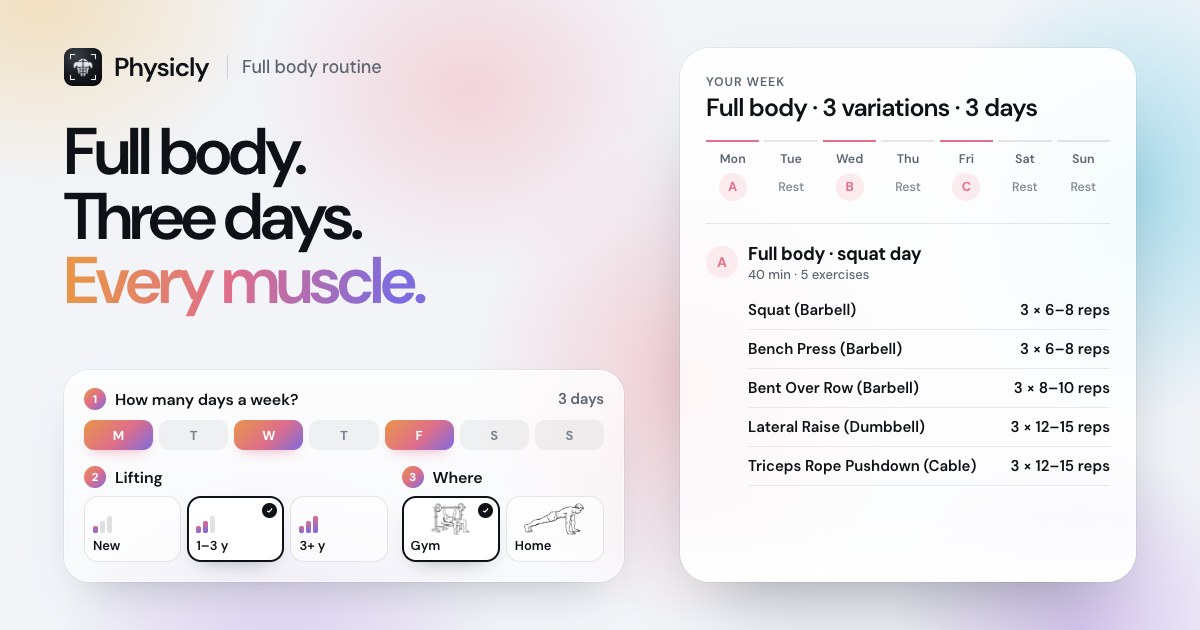 Full body routine
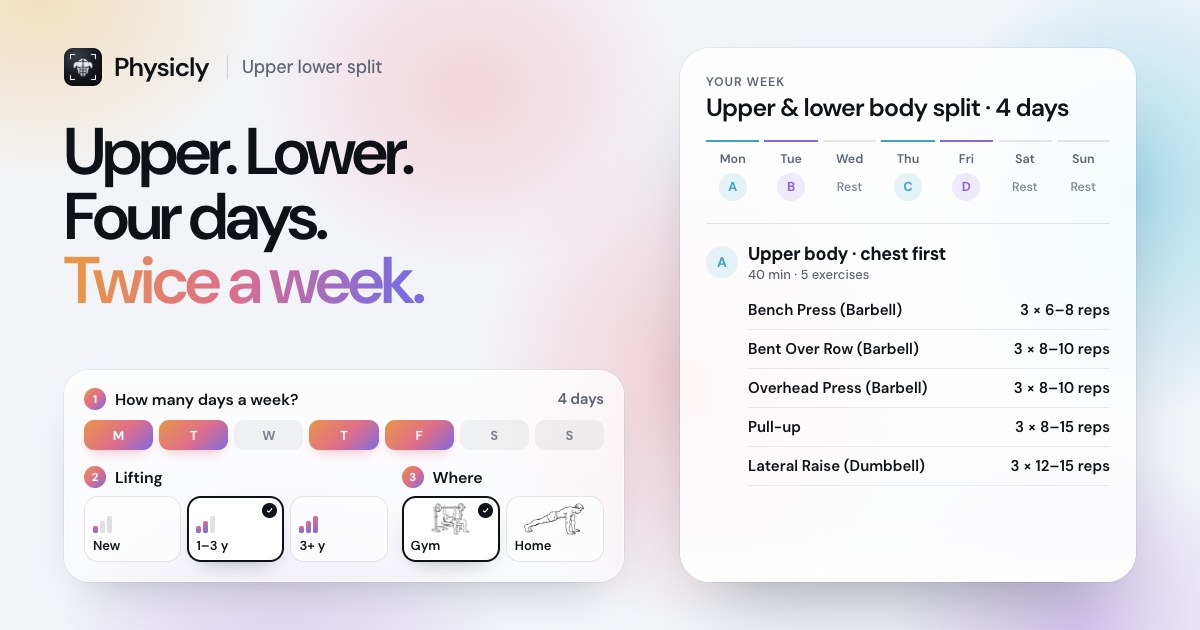 Upper lower split
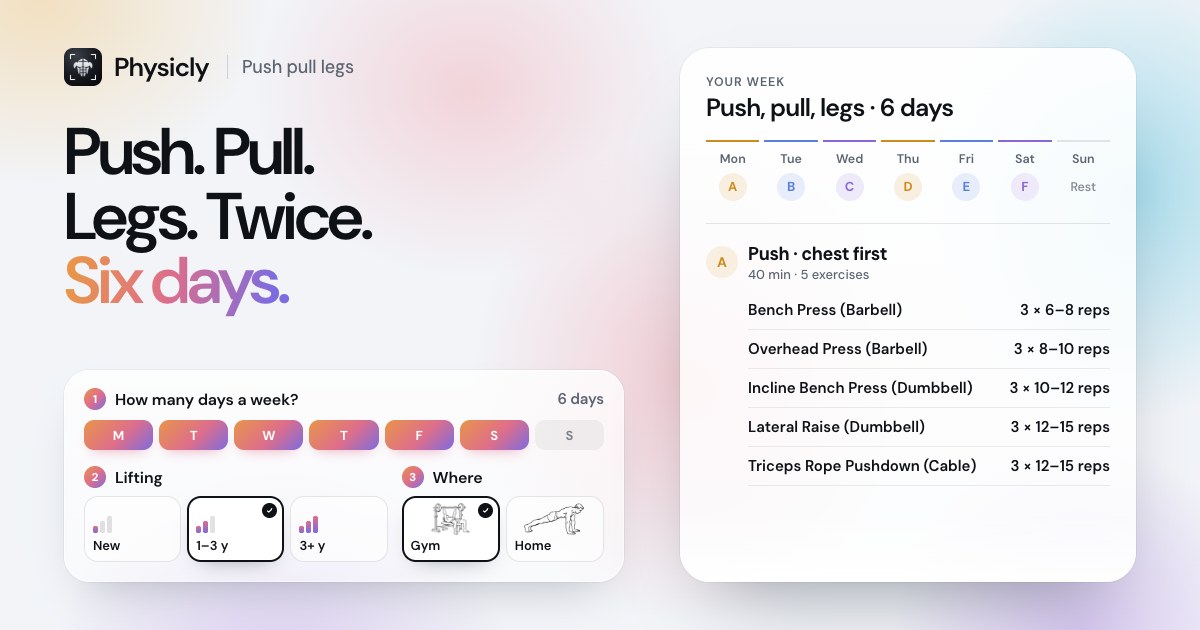 Push pull legs
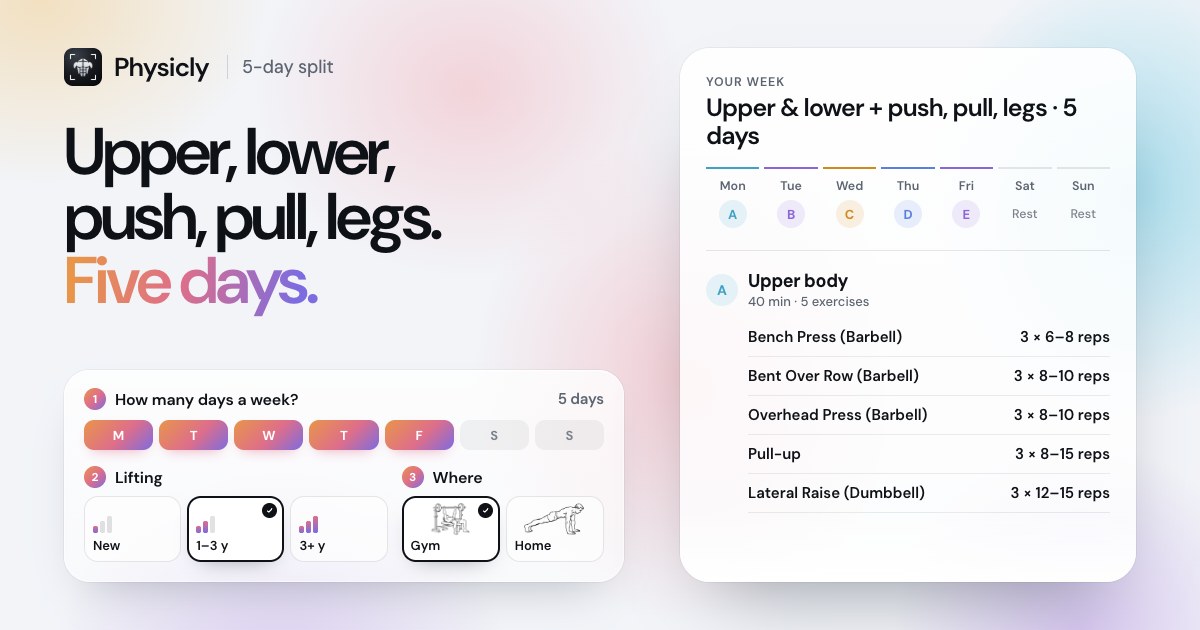 5-day split
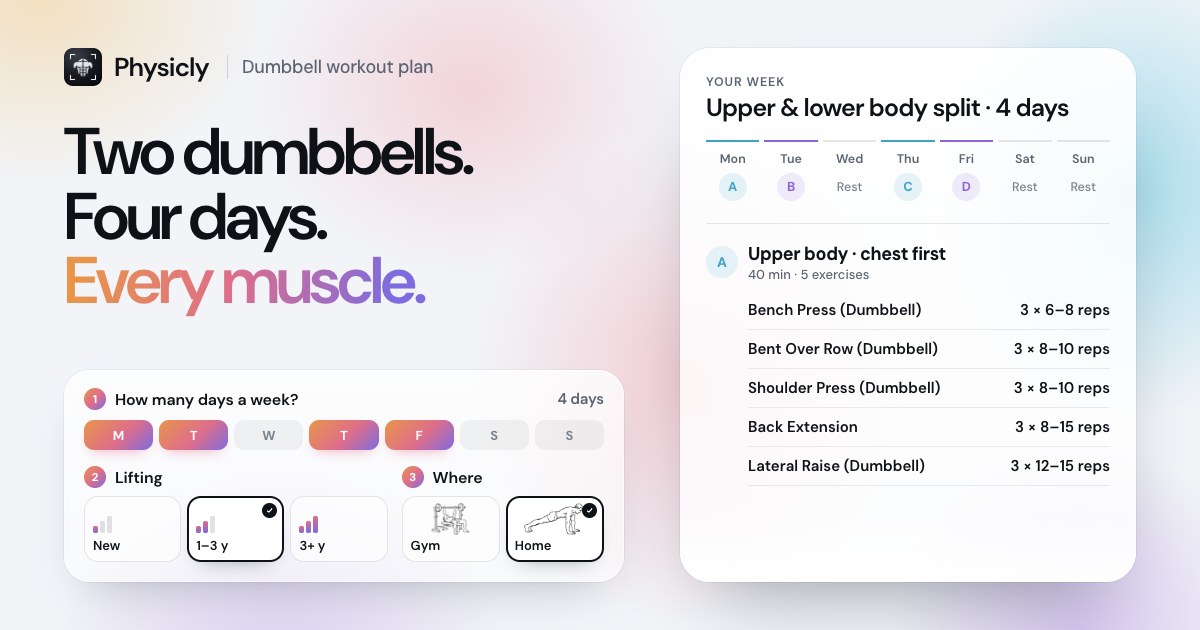 Dumbbell only plan
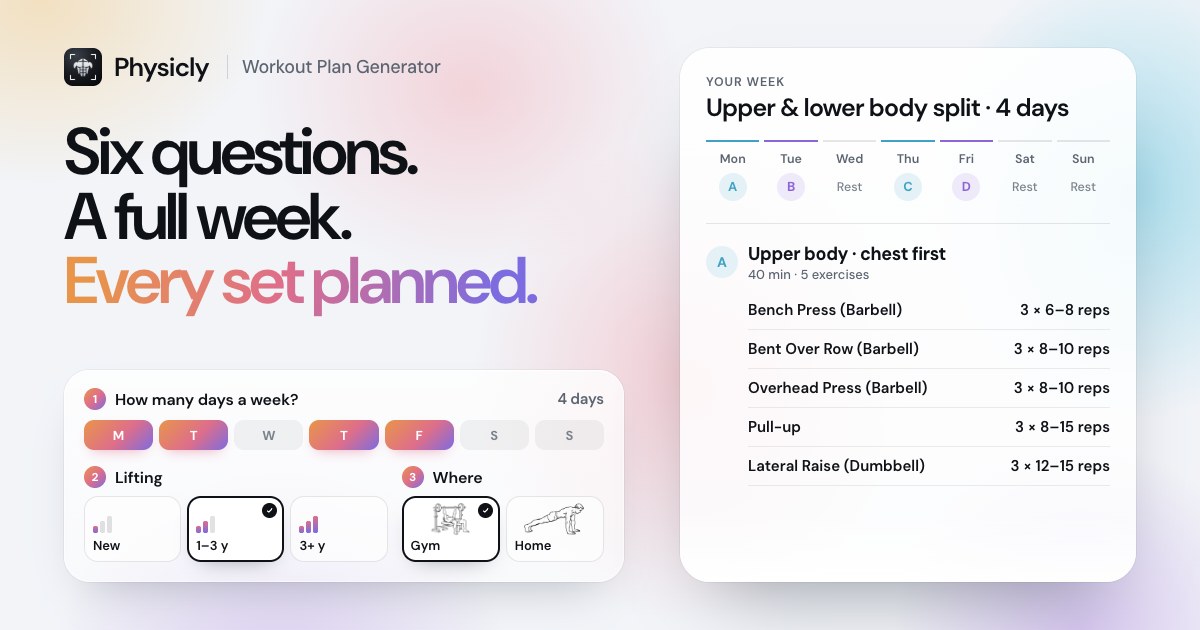 Build your own plan
Beginner plan questions
Something else? Write to [email protected].
What is the best workout plan for a beginner at the gym?
A 3-day full body plan. It repeats each movement often enough to learn it, trains every muscle each session and keeps workouts around 40 minutes. The Physicly beginner plan alternates a squat day and a hinge day on Monday, Wednesday and Friday.
How many days a week should a beginner work out?
Two to four. Three is the sweet spot for most people starting out. The Physicly generator caps new lifters at 4 days, because rest days are when muscle and technique catch up.
How many sets and reps should a beginner do?
About 3 sets of 6–10 reps on the main lifts and 2 sets of 10–15 on smaller moves, stopping when two clean reps are left. That’s enough to grow without being sore for days.
Should beginners lift heavy?
Heavy enough that the last reps are hard, never so heavy that form breaks. Start light, learn the movement, then add a little weight each time you hit the top of the rep range on every set.
Should beginners use machines or free weights?
Both, machines first. Machines and dumbbells are easier to learn and to adjust. The Physicly beginner plan puts barbell lifts last in each exercise’s alternatives, so you can move to them once the pattern feels solid.
How long until a beginner sees results?
You’ll feel stronger within 2–4 weeks. Visible changes usually show after 8–12 weeks of steady training, enough protein and sleep. Progress photos in the same light every few weeks make the change easy to see.
Is it OK to be sore after the first workouts?
Some soreness in the first week or two is normal and fades as your body adapts. Sharp pain in a joint is not: stop that exercise and swap it for an alternative.
Log this plan. See what grows.
Physicly builds this program in the app, logs every set, tells you when to add weight and shows your physique change from one photo a day.
 Or scan it with your iPhone camera.