 Physicly
Push pull legs routine
Six days a week: push, pull and legs, twice each. A complete PPL gym program with sets, reps and rest.
A push pull legs routine (PPL) groups muscles by movement: push days train chest, shoulders and triceps, pull days train back, rear shoulders and biceps, and leg days train quads, hamstrings, glutes and calves. Run it 6 days a week and every muscle is trained twice. It suits lifters with a year or more of training who can recover from that many sessions.
Push, pull, legs
Sample week: 6-day push pull legs routine
Pushing, pulling and leg muscles on their own days, each twice a week across six sessions.
Log this plan in Physicly
The app builds this same program from your answers, records every set and tells you when to add weight.
Get this plan in the appPhysicly for iPhone- MonAPush
- TueBPull
- WedCLegs
- ThuDPush
- FriEPull
- SatFLegs
- SunRest
APush · chest firstMon · 40 min · Chest, shoulders, triceps
-
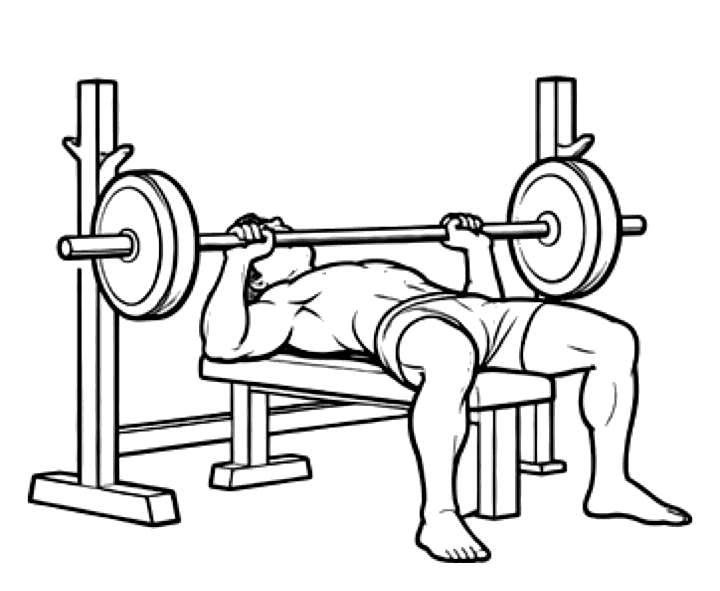
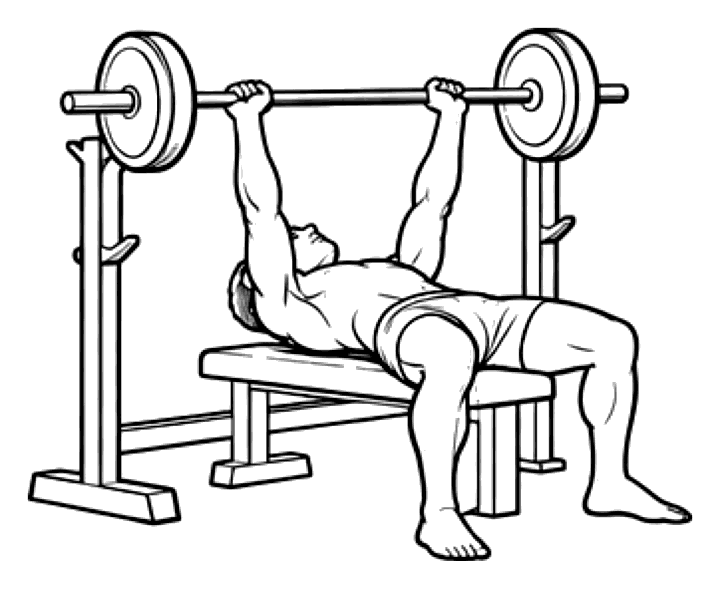 Bench Press (Barbell)3 × 6–8 reps · rest 2:30 min
-
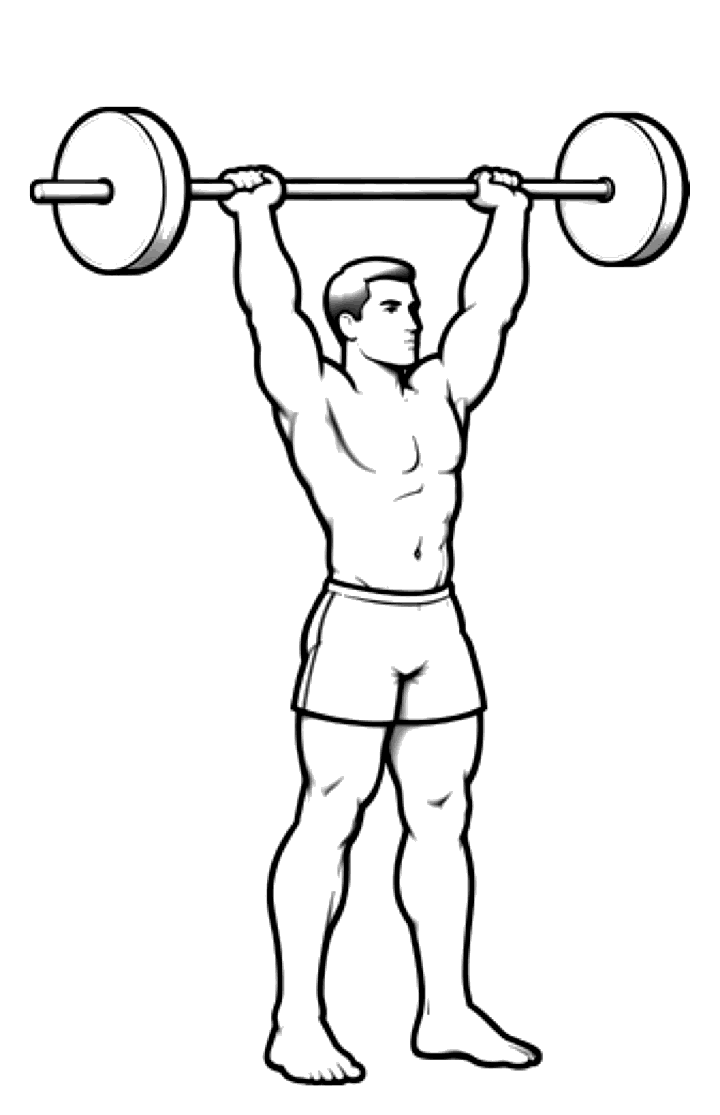
 Overhead Press (Barbell)3 × 8–10 reps · rest 2 min
-
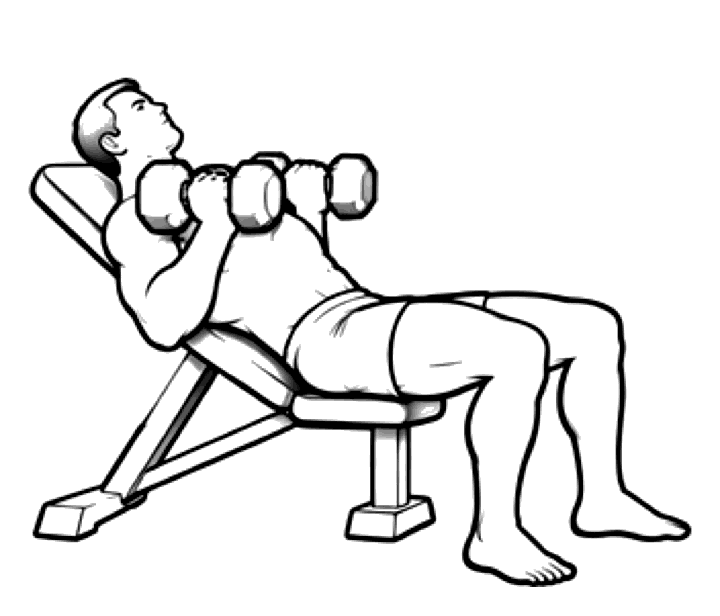 Incline Bench Press (Dumbbell)3 × 10–12 reps · rest 90 s
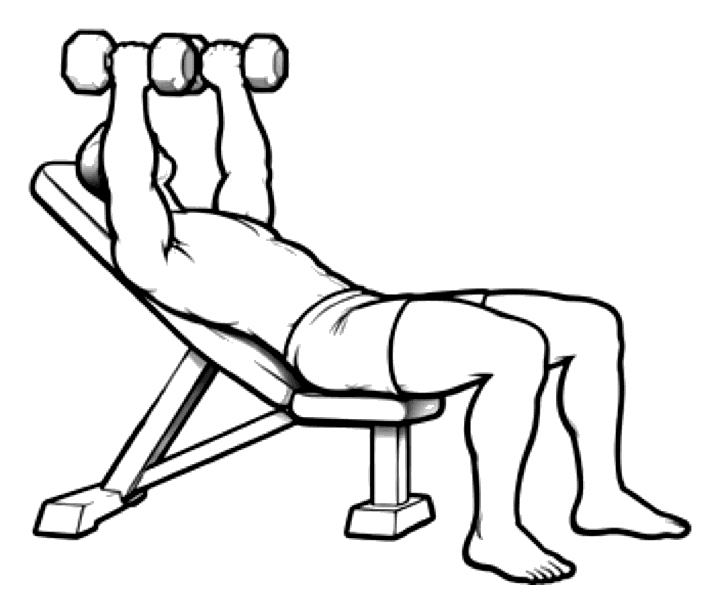
Works Chest · also Shoulders, Triceps
-
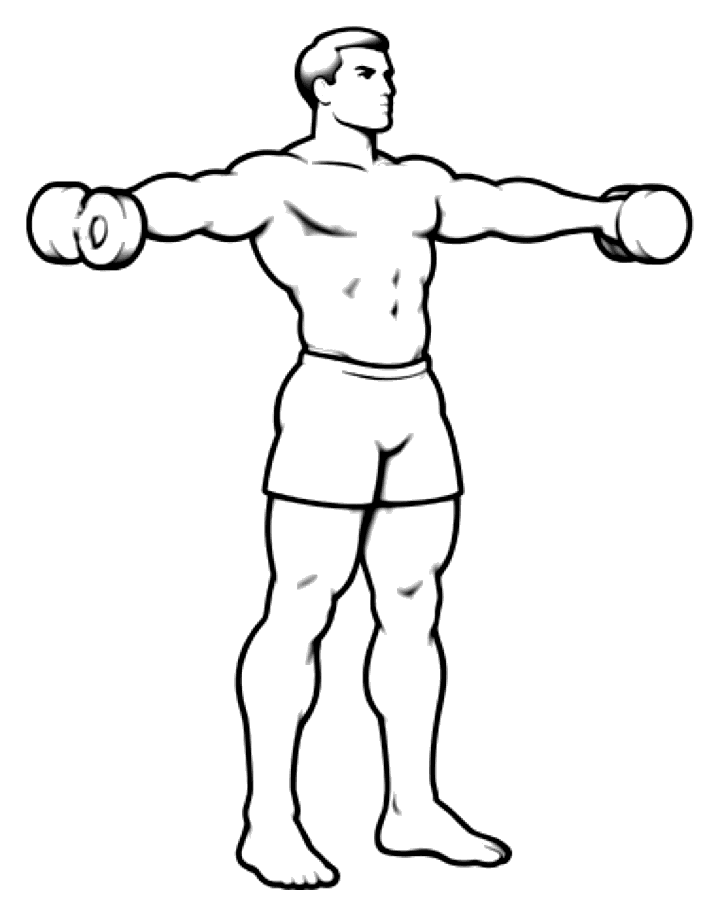
 Lateral Raise (Dumbbell)3 × 12–15 reps · rest 60 s
-
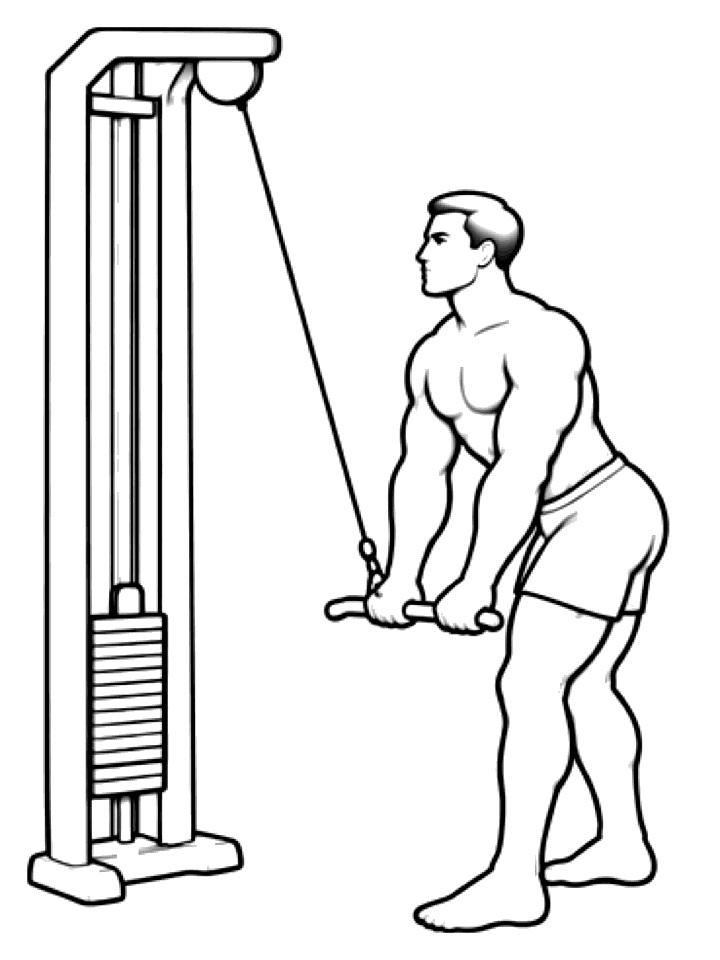
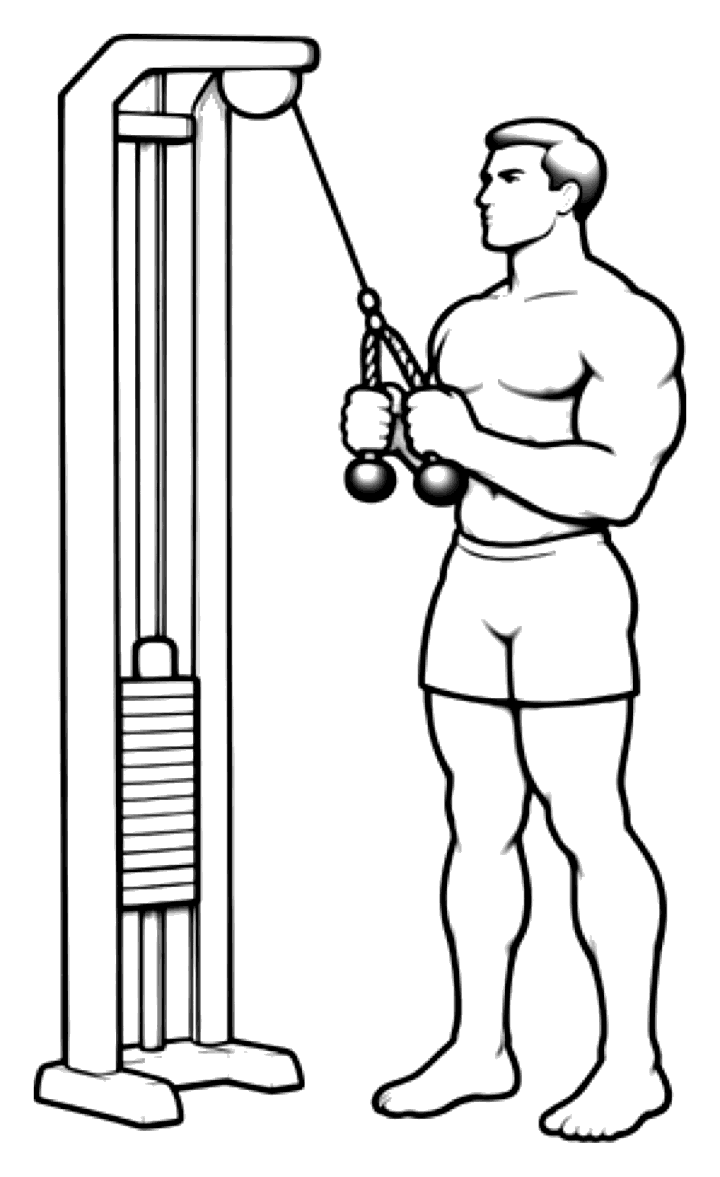 Triceps Rope Pushdown (Cable)3 × 12–15 reps · rest 60 s
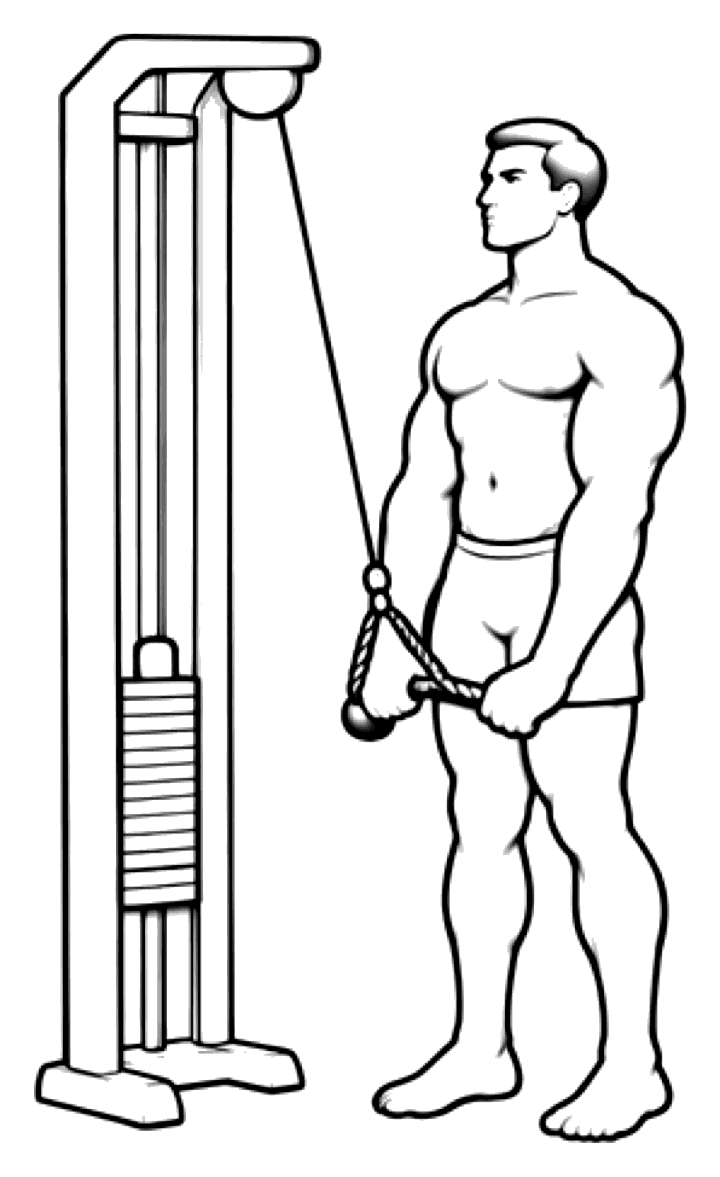
Works Triceps
BPull · rows firstTue · 40 min · Back, rear delts, biceps
-
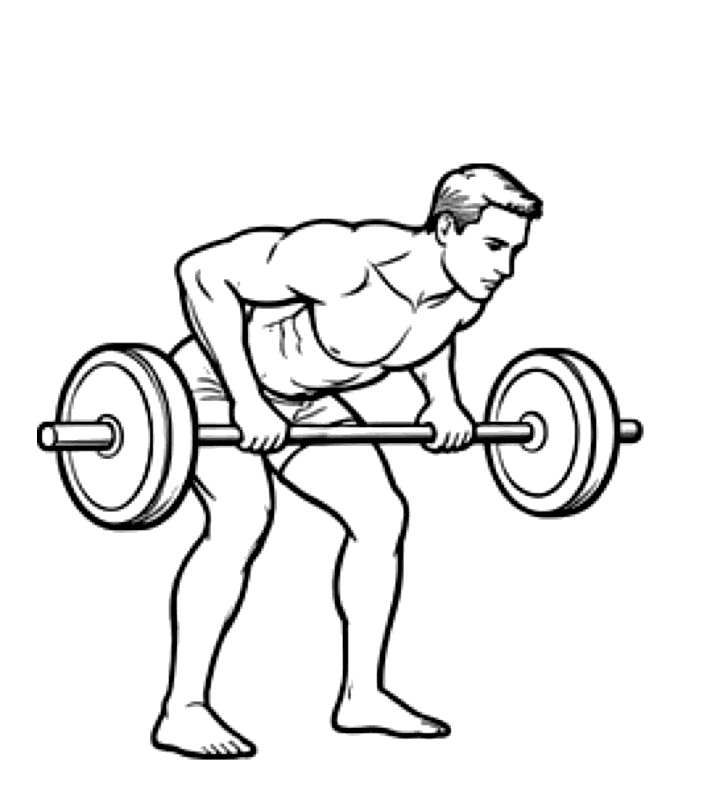
 Bent Over Row (Barbell)3 × 6–8 reps · rest 2:30 min
-
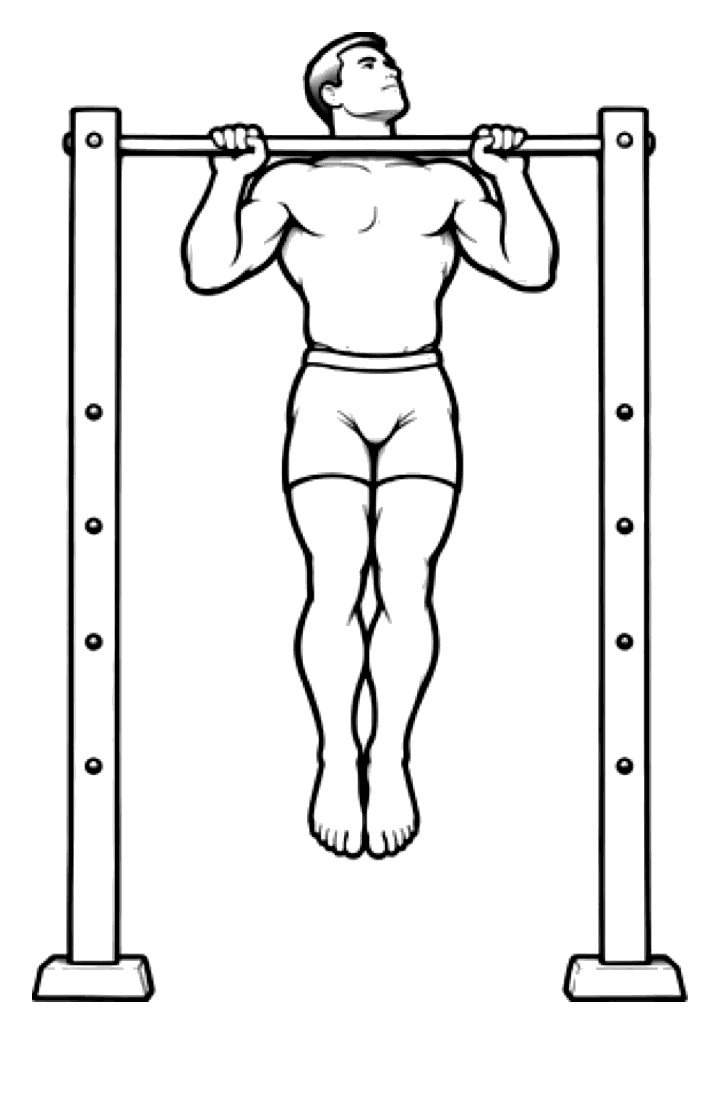
 Pull-up3 × 8–15 reps · rest 2 min
-
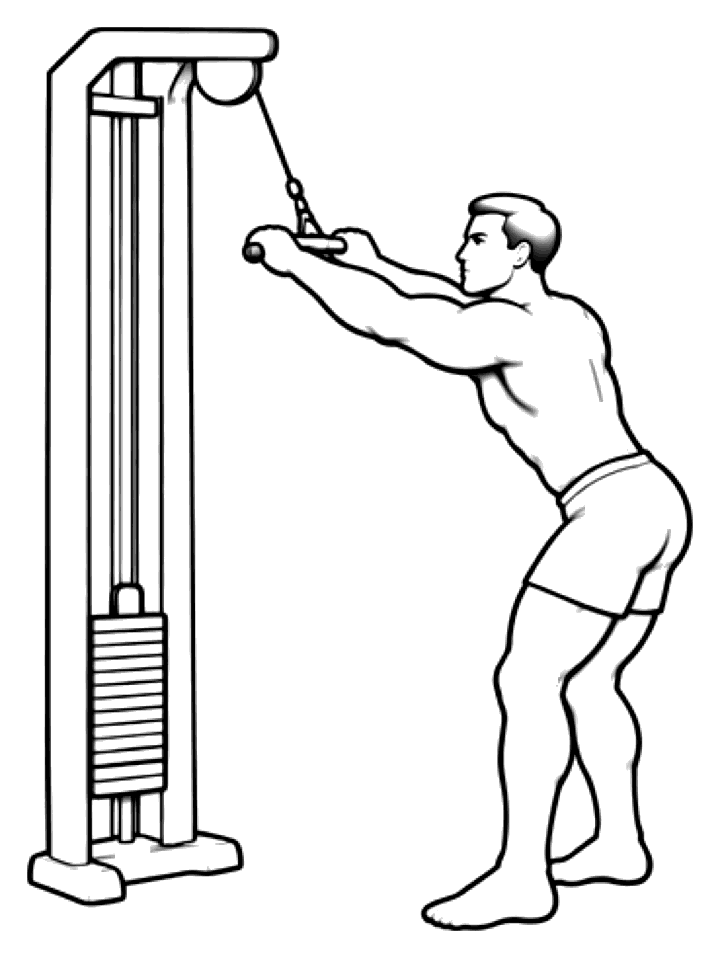 Straight Arm Pulldown (Cable)3 × 10–12 reps · rest 90 s
Works Back · also Triceps
-
 Face Pull (Cable)3 × 12–15 reps · rest 60 s
-
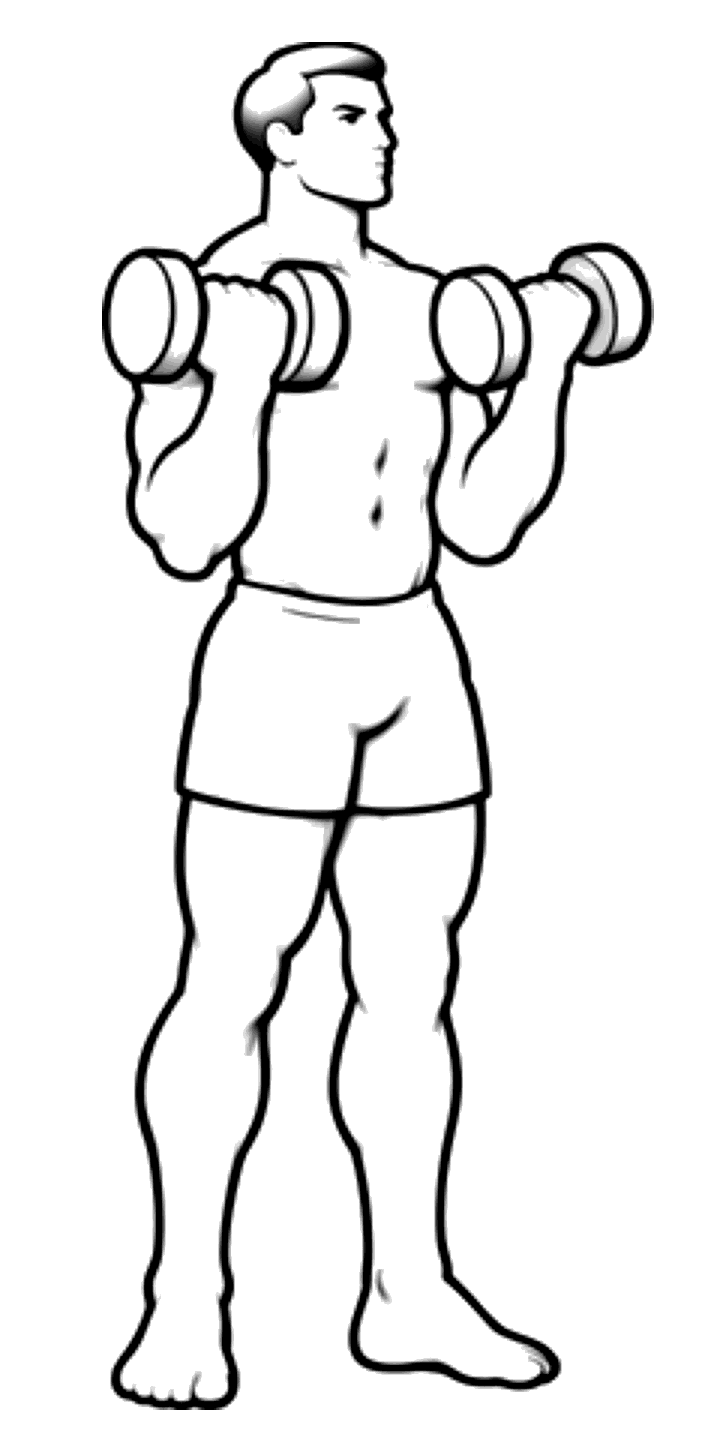
 Bicep Curl (Dumbbell)3 × 12–15 reps · rest 60 s
CLegs · squat dayWed · 40 min · Quads, hamstrings, calves
-
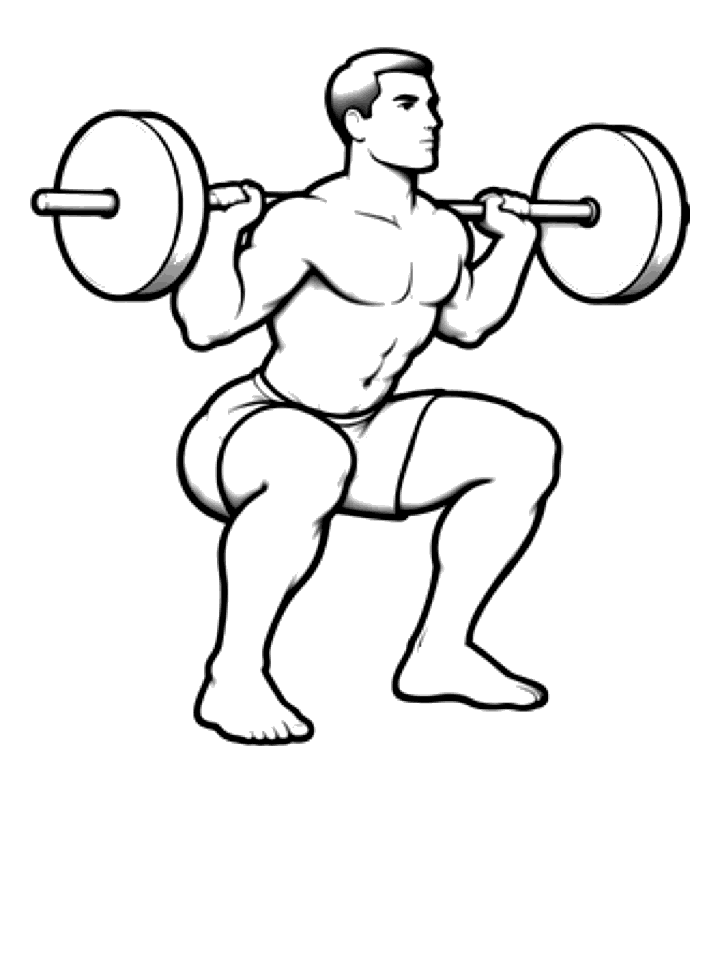
 Squat (Barbell)3 × 6–8 reps · rest 2:30 min
-
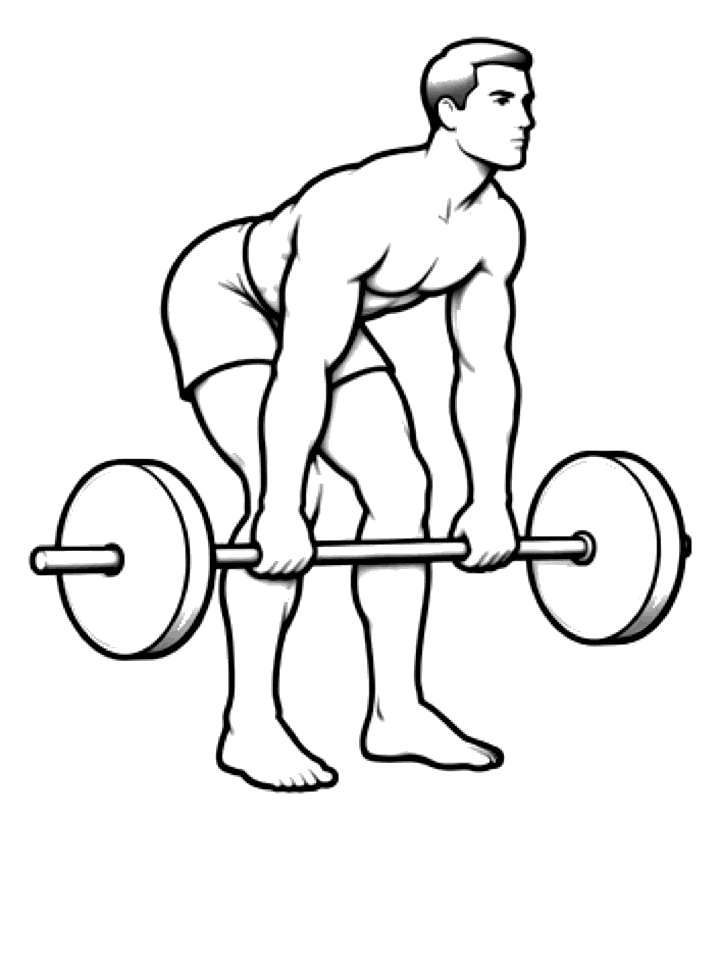
 Romanian Deadlift (Barbell)3 × 8–10 reps · rest 2 min
-
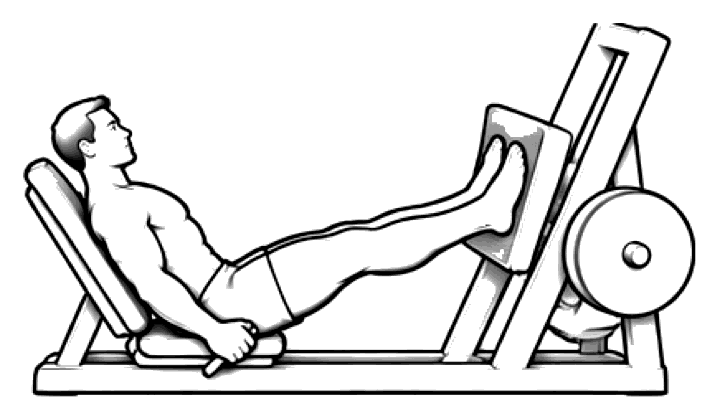
 Leg Press (Machine)3 × 10–12 reps · rest 90 s
-
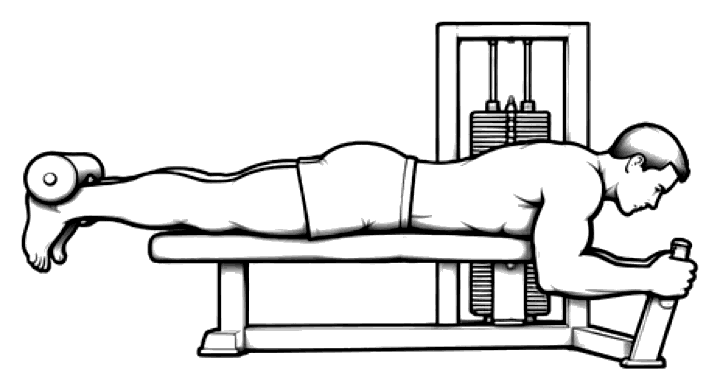 Lying Leg Curl (Machine)3 × 10–12 reps · rest 90 s
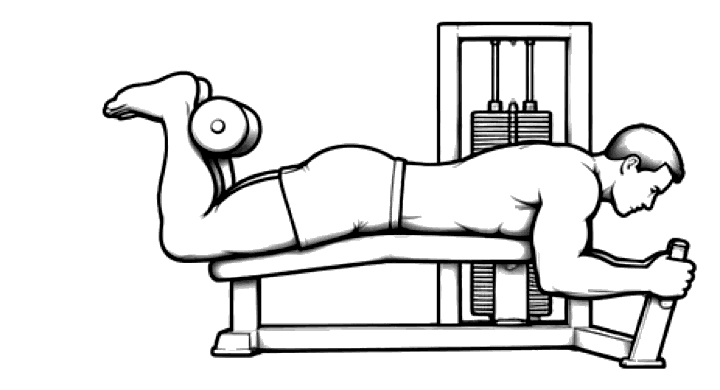
Works Hamstrings · also Calves
-
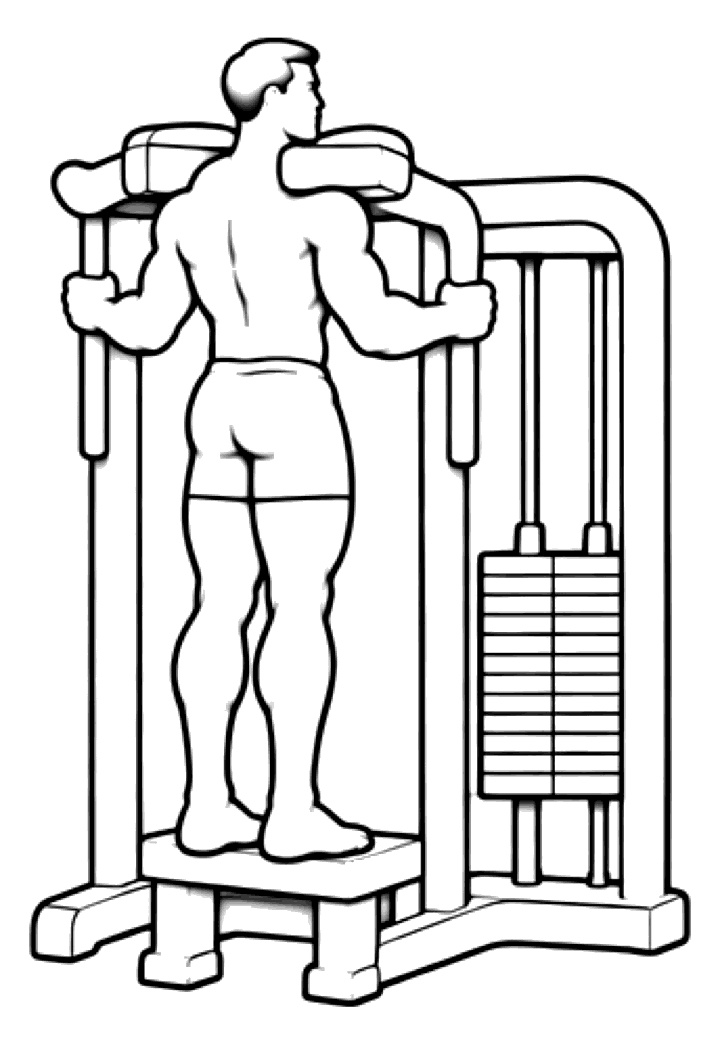 Standing Calf Raise (Machine)3 × 12–15 reps · rest 60 s
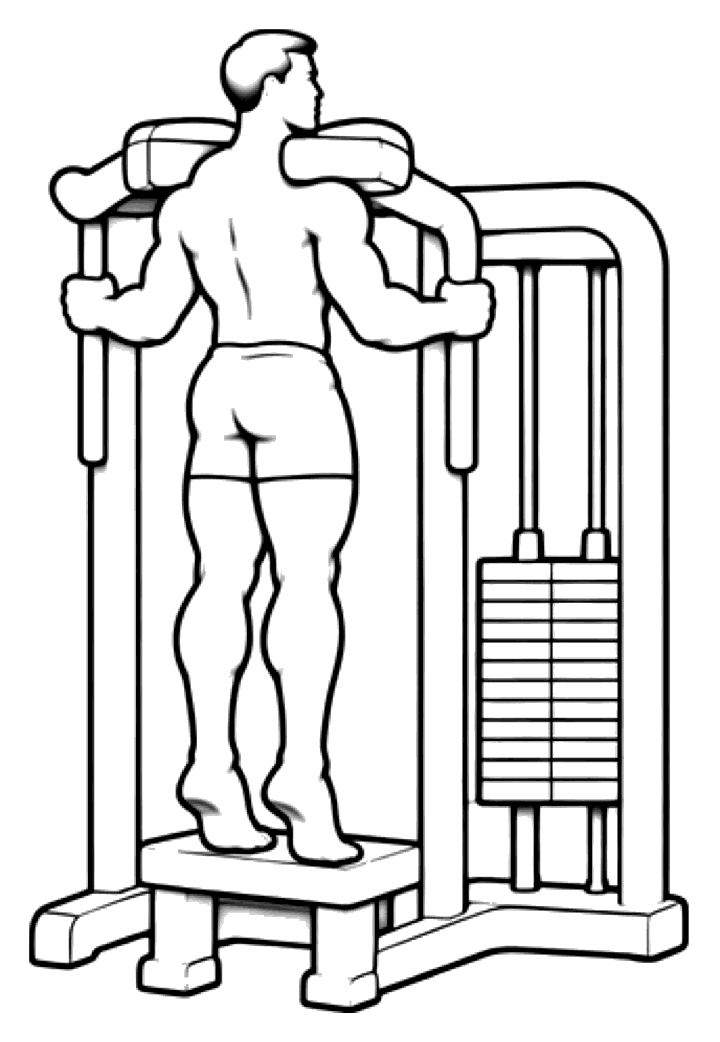
Works Calves
DPush · shoulders firstThu · 40 min · Shoulders, chest, triceps
-
Overhead Press (Barbell)3 × 6–8 reps · rest 2:30 min
-
Incline Bench Press (Dumbbell)3 × 8–10 reps · rest 2 min
Works Chest · also Shoulders, Triceps
-
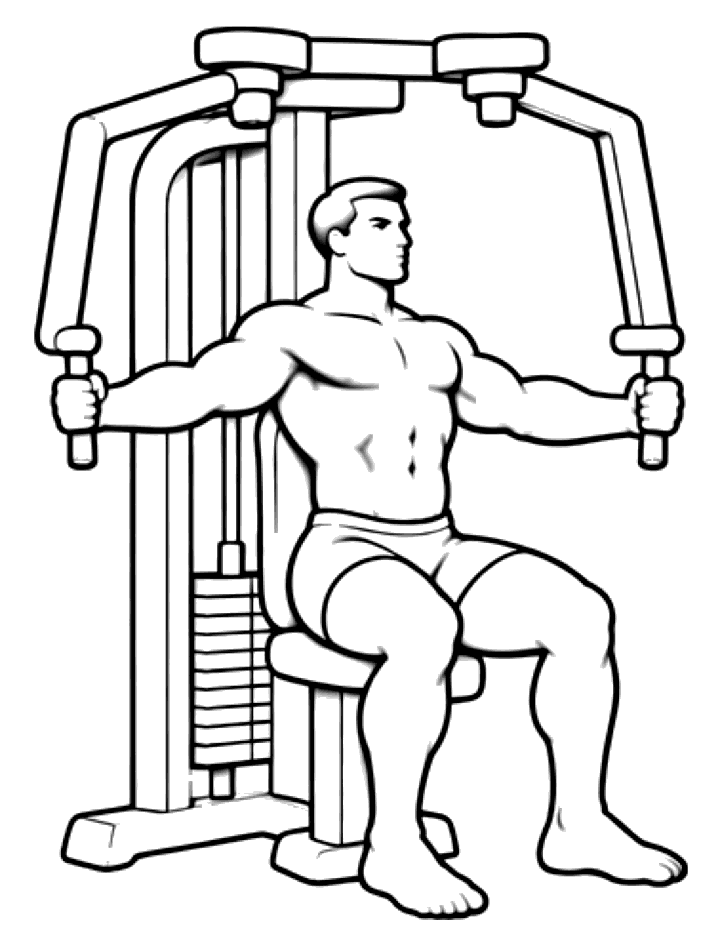 Pec Deck (Machine)3 × 12–15 reps · rest 60 s
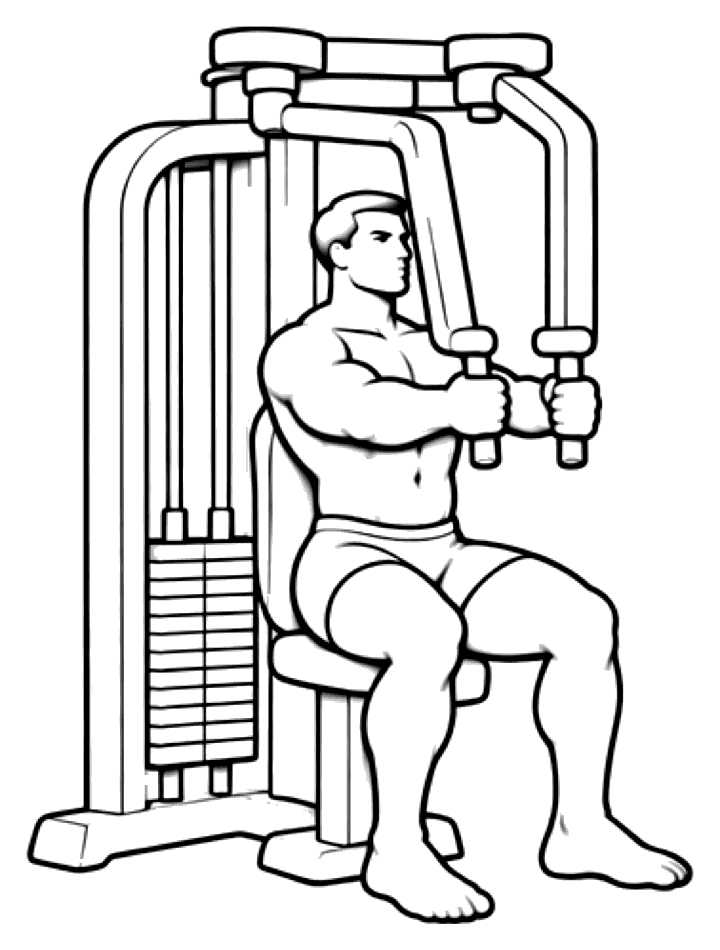
Works Chest · also Shoulders
-
Lateral Raise (Dumbbell)3 × 12–15 reps · rest 60 s
-
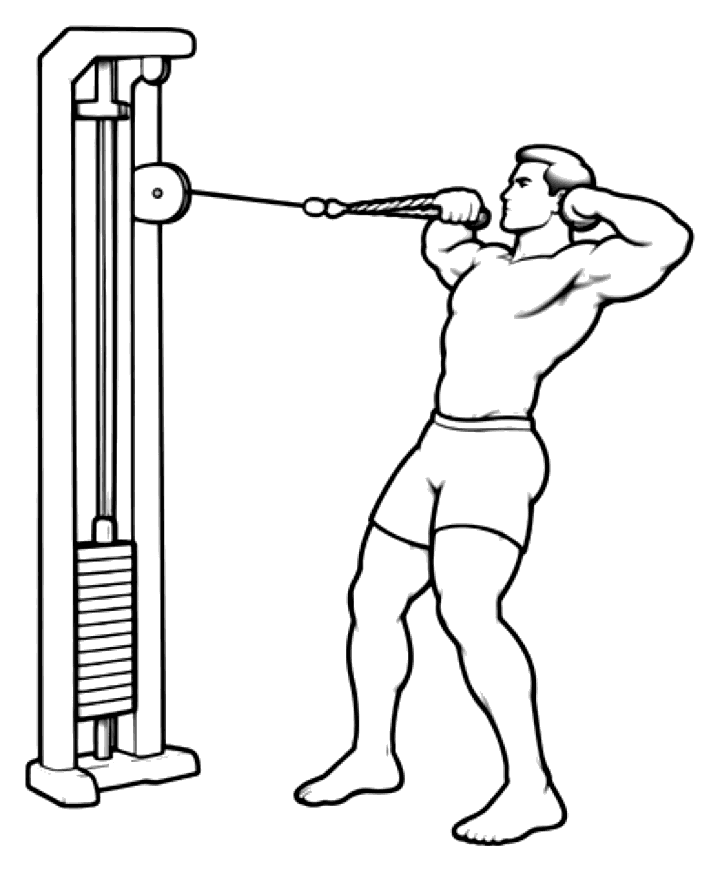
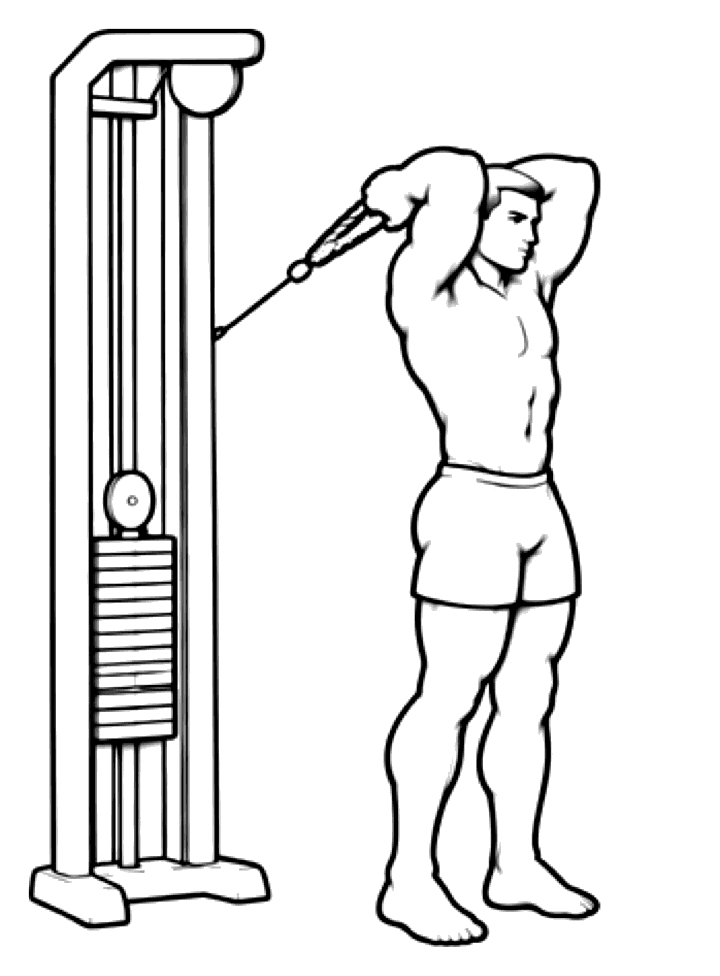 Overhead Triceps Extension (Cable)3 × 12–15 reps · rest 60 s
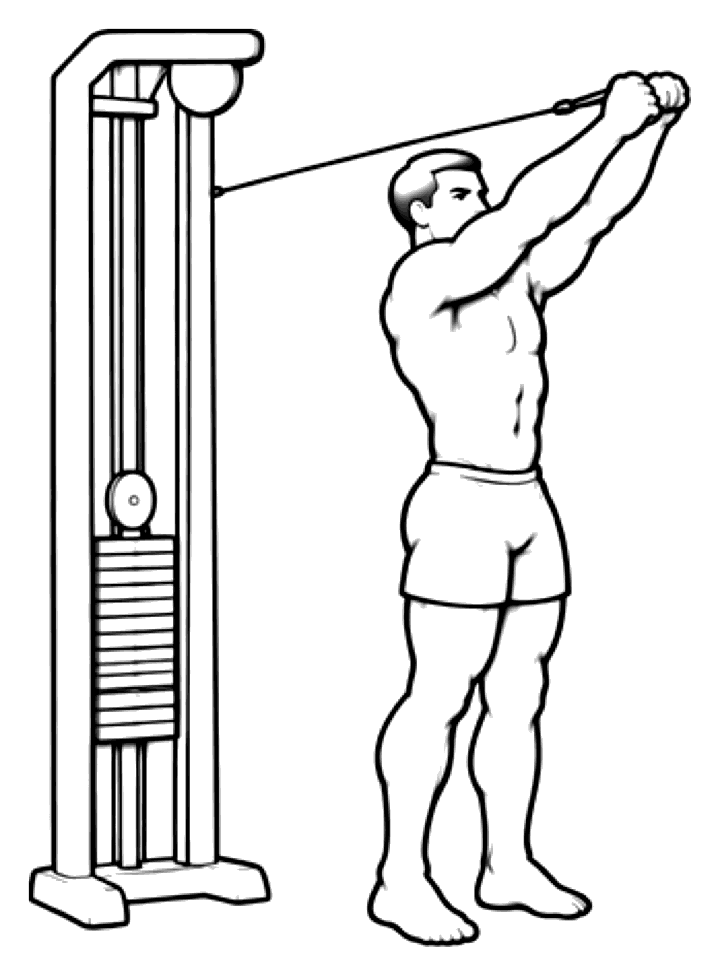
Works Triceps
EPull · pull-ups firstFri · 40 min · Back, biceps, abs
-
Pull-up3 × 8–15 reps · rest 2:30 min
-
Bent Over Row (Barbell)3 × 8–10 reps · rest 2 min
-
Face Pull (Cable)3 × 12–15 reps · rest 60 s
-
 Hammer Curl (Dumbbell)3 × 12–15 reps · rest 60 s
-
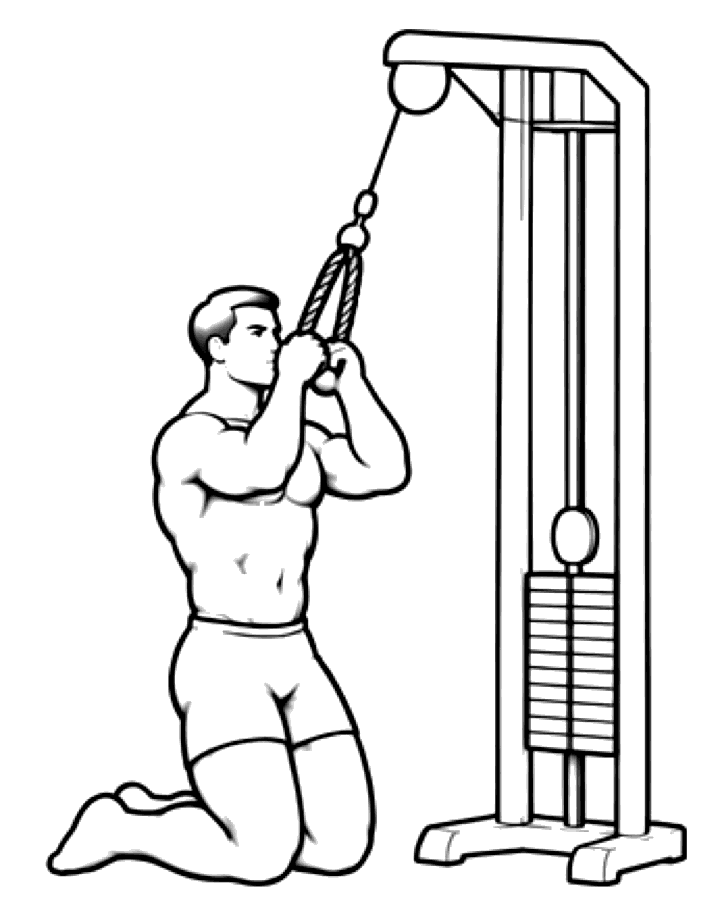 Cable Crunch3 × 12–15 reps · rest 60 s
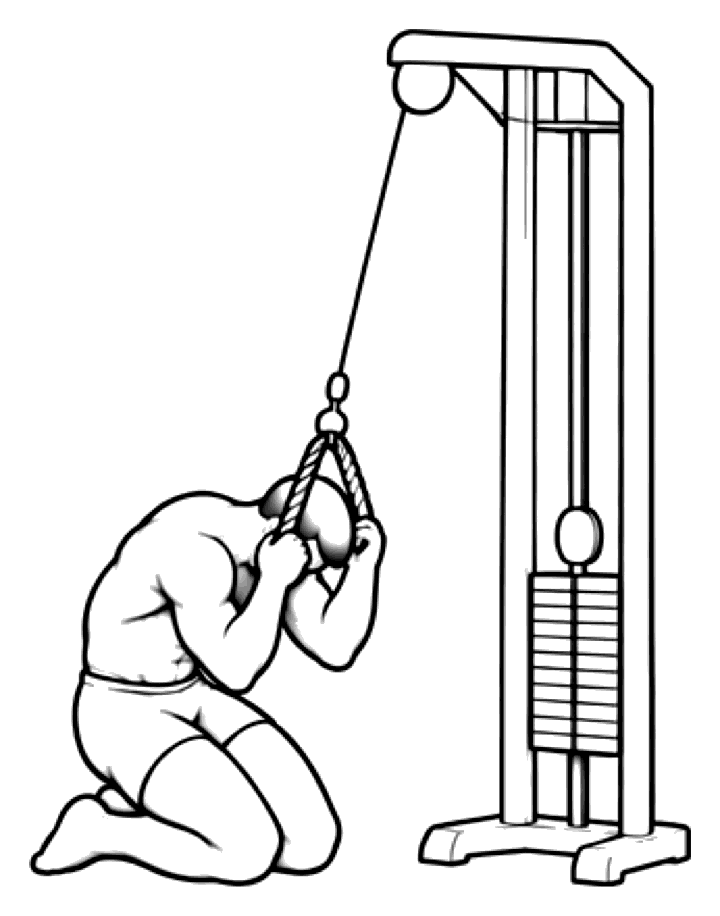
Works Abs
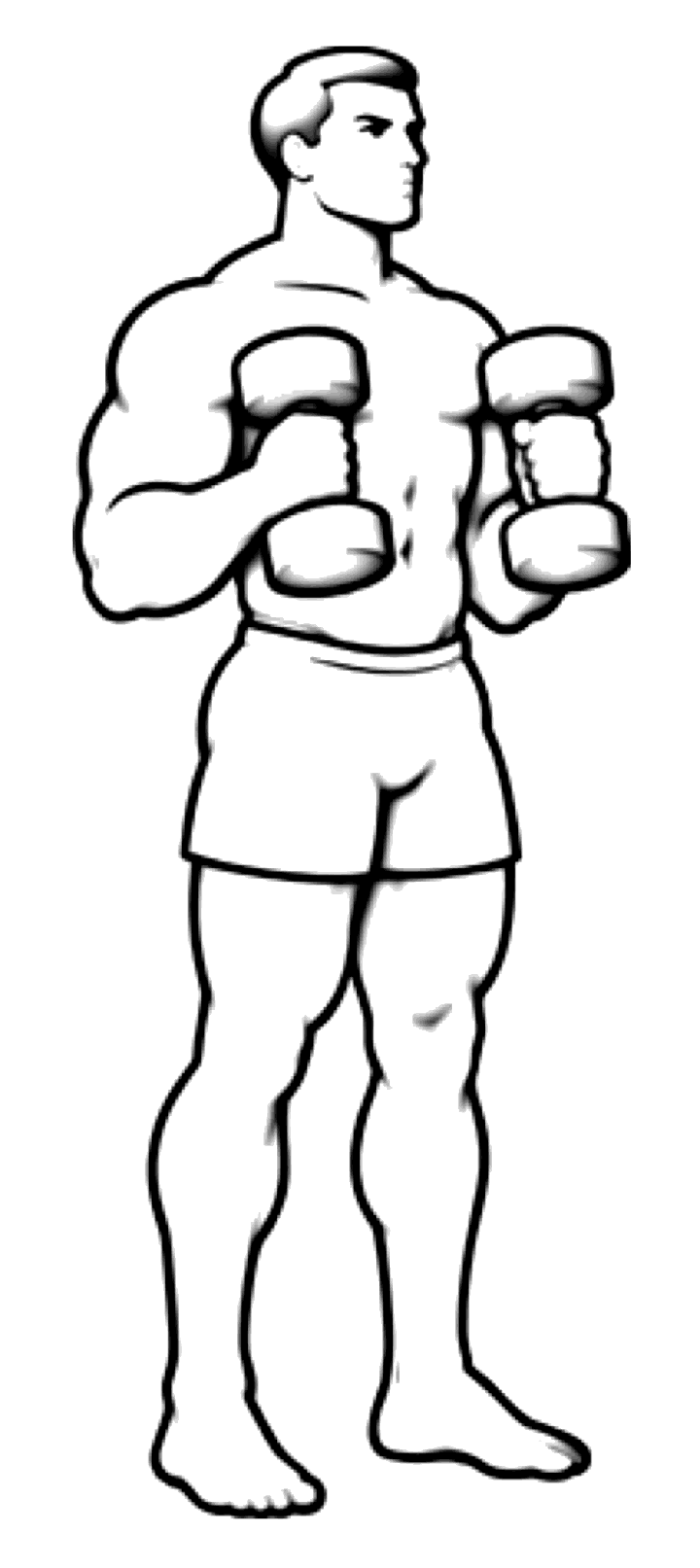
FLegs · deadlift daySat · 40 min · Hamstrings, glutes, quads
-
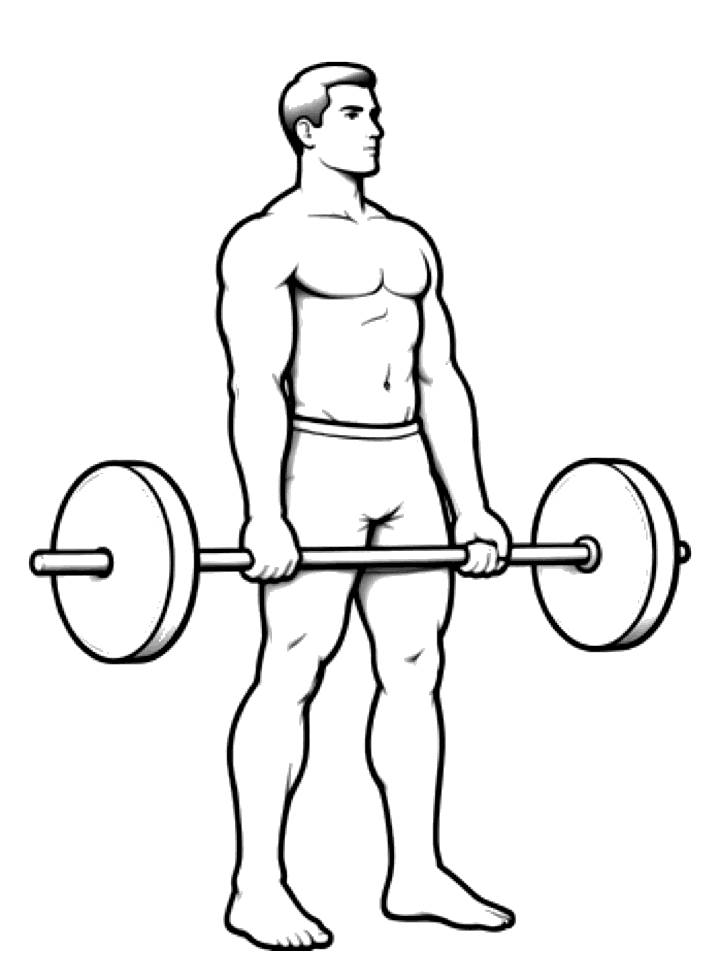
 Deadlift (Barbell)3 × 6–8 reps · rest 2:30 min
-
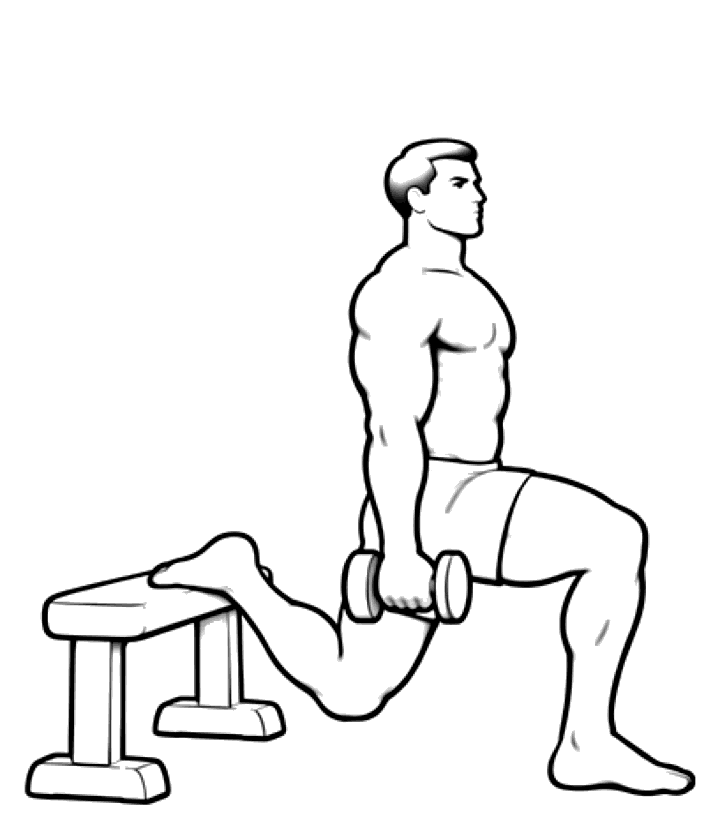
 Bulgarian Split Squat (Dumbbell)3 × 8–10 reps · rest 2 min
-
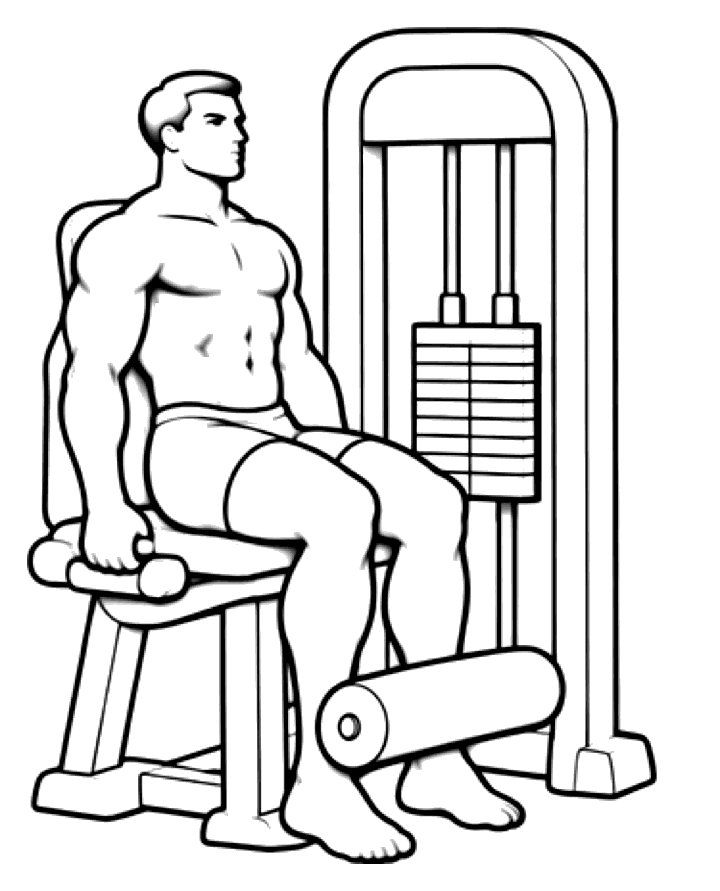 Leg Extension (Machine)3 × 10–12 reps · rest 90 s
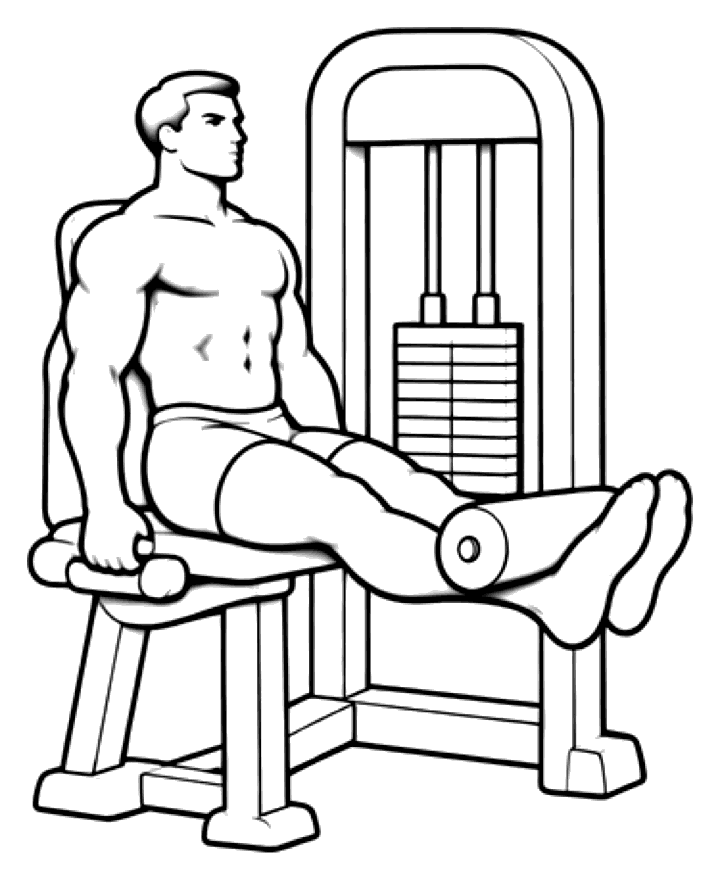
Works Quads
-
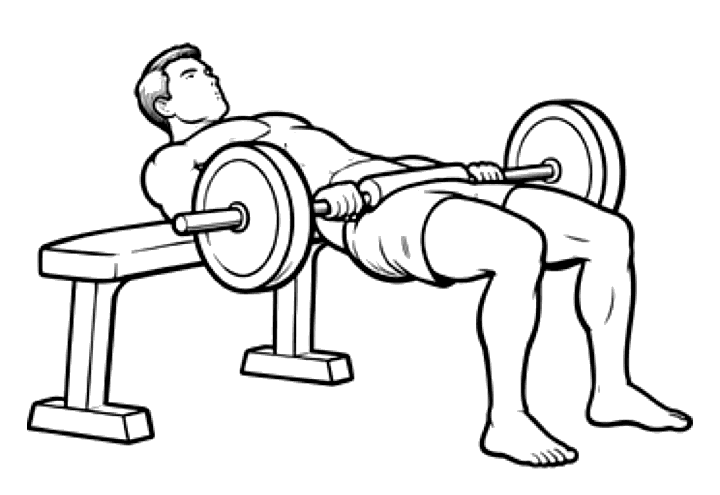
 Hip Thrust (Barbell)3 × 10–12 reps · rest 90 s
-
Standing Calf Raise (Machine)3 × 12–15 reps · rest 60 s
Works Calves
How hard Stop with about 2 reps left in the tank.
How to progress Hit the top of the rep range on every set, then add weight next time (bodyweight moves: add reps).
General guidance for healthy adults. Stop any exercise that hurts, and check with a professional if you have an injury or a medical condition.
Log this plan in Physicly: physicly.app
 Track this plan in PhysiclyLogs every set · for iPhone
Six sessions, two rounds.
- Mon A Push · chest first Chest, shoulders, triceps · 40 min
- Tue B Pull · rows first Back, rear delts, biceps · 40 min
- Wed C Legs · squat day Quads, hamstrings, calves · 40 min
- Thu D Push · shoulders first Shoulders, chest, triceps · 40 min
- Fri E Pull · pull-ups first Back, biceps, abs · 40 min
- Sat F Legs · deadlift day Hamstrings, glutes, quads · 40 min
- SunRest
What is different in the second round?
The first push day leads with the bench press, the second with the overhead press. Pull days switch from barbell rows to pull-ups as the opener, and legs alternate a squat day and a deadlift day.
That way each muscle meets two different main lifts every week. Your strongest lifts get trained fresh, and the smaller moves after them change angle, which is easier on elbows and shoulders than repeating one session.
The most volume of any split.
Hard sets per muscle a week counting each exercise toward its main muscles
- Shoulders18
- Back15
- Chest12
- Quads12
- Hamstrings9
- Triceps6
- Biceps6
- Calves6
- Glutes6
- Abs3
10 sets: a common weekly target for growth
Is this much shoulder work too much?
Shoulders show up on four of six days: presses on push days and face pulls or rear-delt work on pull days. Most of that is light, high-rep work for the small rear and side muscles, not heavy pressing.
If your shoulders feel beaten up, swap the second overhead press for a machine or dumbbell version and keep lateral raises. The generator's Swap button offers those alternatives.
Six days, shorter sessions.
| Split | Days a week | Each muscle | Session | Best for |
|---|---|---|---|---|
| Beginner plan | 3 | 3× a week | ~40 min | Your first months |
| Full body routine | 3 | 3× a week | 40–45 min | Busy weeks |
| Upper lower split | 4 | 2× a week | ~40 min | Most lifters |
| Dumbbell only plan | 4 | 2× a week | ~40 min | Home with dumbbells |
| 5-day split | 5 | 2× a week | ~40 min | Training most weekdays |
| Push pull legs this page | 6 | 2× a week | ~40 min | Experienced, recovers well |
Should you drop to three days of PPL when life gets busy?
Three days of push pull legs trains each muscle once a week. For a busy month it's better to switch to the full body routine, which keeps every muscle twice a week in the same three sessions.
Back to six days later, the push pull legs plan picks up where you left it: the same exercises, so the numbers in your log still compare.
Push pull legs, explained
Who it’s for, the schedule, the volume and how to progress.
What is a push pull legs routine?
Push pull legs (PPL) splits training by the direction a muscle moves weight. Push days train the muscles that press away from you: chest, shoulders and triceps. Pull days train the ones that pull toward you: back, rear shoulders and biceps. Leg days train quads, hamstrings, glutes and calves. Six days a week runs the cycle twice, so every muscle is trained twice.
The sample above is the Physicly engine’s 6-day plan for an intermediate lifter at the gym. The two rounds aren’t copies: the first push day starts with the bench press and the second with the overhead press, the pull days start with rows and then pull-ups, and the leg days alternate squats and deadlifts.
Who is push pull legs for?
Lifters with a year or more of steady training who can recover from six sessions a week. That means sleeping well, eating enough protein and keeping sessions short. The generator opens the 6-day PPL plan from intermediate experience, and only for the gym: a home setup rarely has enough exercises to keep six sessions different.
New lifters do better on three or four days. Six sessions is a lot to recover from when every movement is still new.
What does the weekly schedule look like?
Push, pull, legs, push, pull, legs from Monday to Saturday, with Sunday off. The order matters a little: push and pull sit next to each other because they train different muscles, and the legs get two days of upper-body work between their sessions.
Only three days? Running PPL once a week trains each muscle once. Most people get more from a full body routine at three days.
How many sets per muscle a week?
Counting each exercise toward its main muscles only, the sample gives back and shoulders about 15 hard sets a week, chest and quads about 12, and triceps, biceps, hamstrings and calves about 6 each of direct work, plus what the big lifts add indirectly.
That lands inside the common guideline of about 10–20 hard sets per muscle a week for the big groups, which is why PPL is popular for building size. Five exercises of three sets keep each session around 40 minutes.
How do you progress on push pull legs?
Use the rep range on each exercise: 6–8 for the first lift, 8–12 for the next ones, 12–15 for isolation moves. Stop about two reps before failure. Each time you hit the top of the range on every set, add a little weight. Each lift comes up once a week, so compare week to week.
Six sessions make it easy to lose track. Log every set; the Physicly app does it and suggests the next weight.
What are common push pull legs mistakes?
Six hard days, no recovery. If your lifts stall for weeks, sleep and food are usually the reason, not the program. Dropping to five days is fine.
Push days that are all chest. Pressing from three angles and skipping lateral raises leaves the side shoulders behind.
Leg days that turn into quad days. Hamstrings and glutes need a hinge (deadlift or Romanian deadlift) and a curl, not just squats and leg presses.
Push pull legs vs other splits
Versus upper lower: at four days upper/lower trains everything twice, PPL can’t. At six days PPL gives each session fewer muscles and more sets for each. At five days, the 5-day split pairs upper/lower with one PPL round.
Not sure which fits your week? The workout plan generator picks the split from the days you can train.
Which split fits you?
Pick by the days you can train every week, or let the generator choose from six questions.
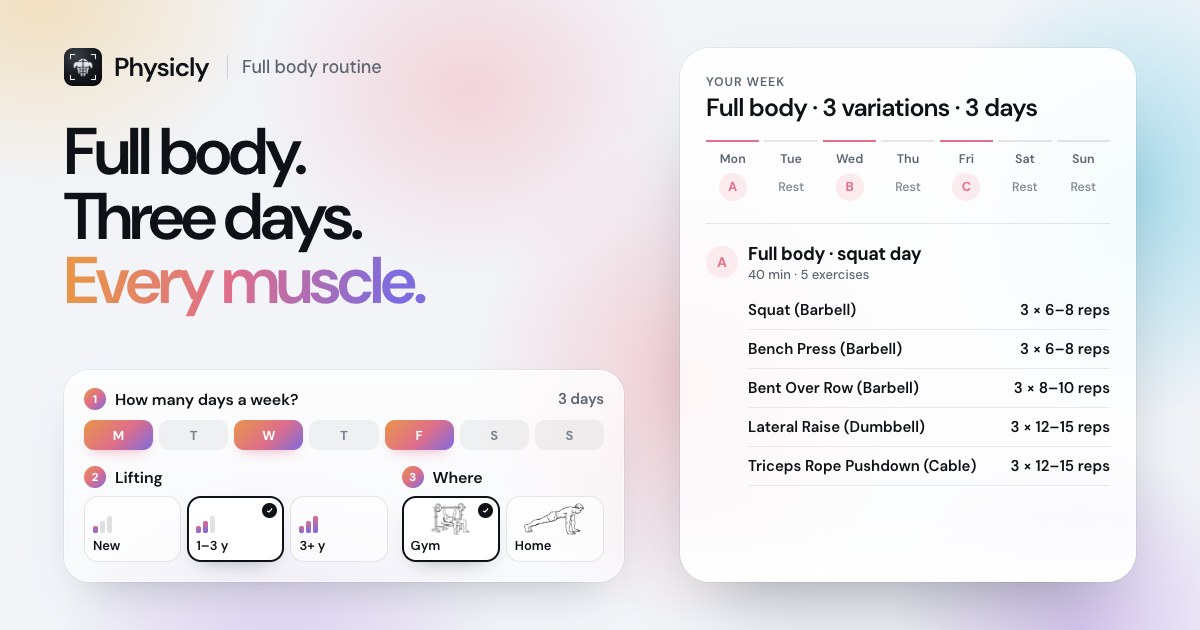 Full body routine
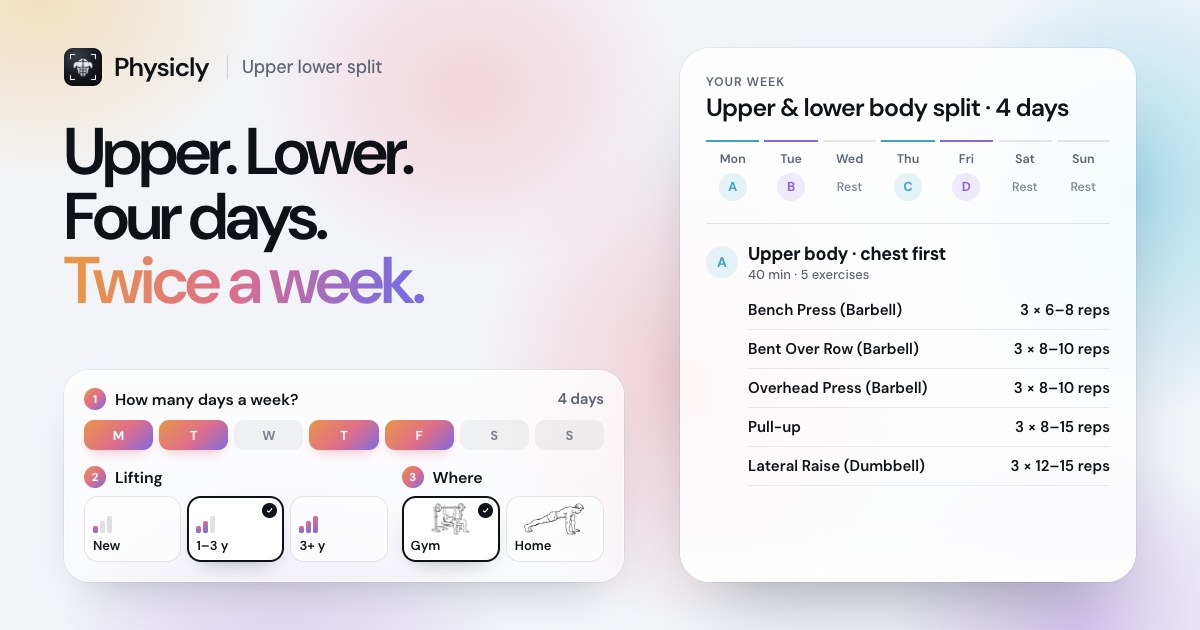 Upper lower split
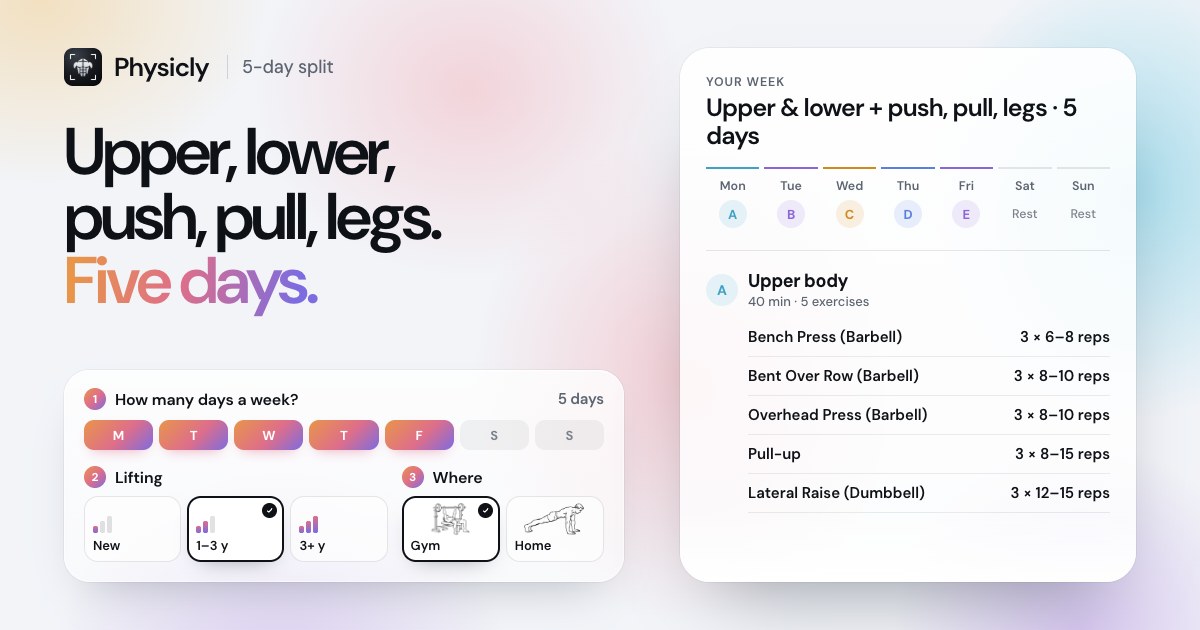 5-day split
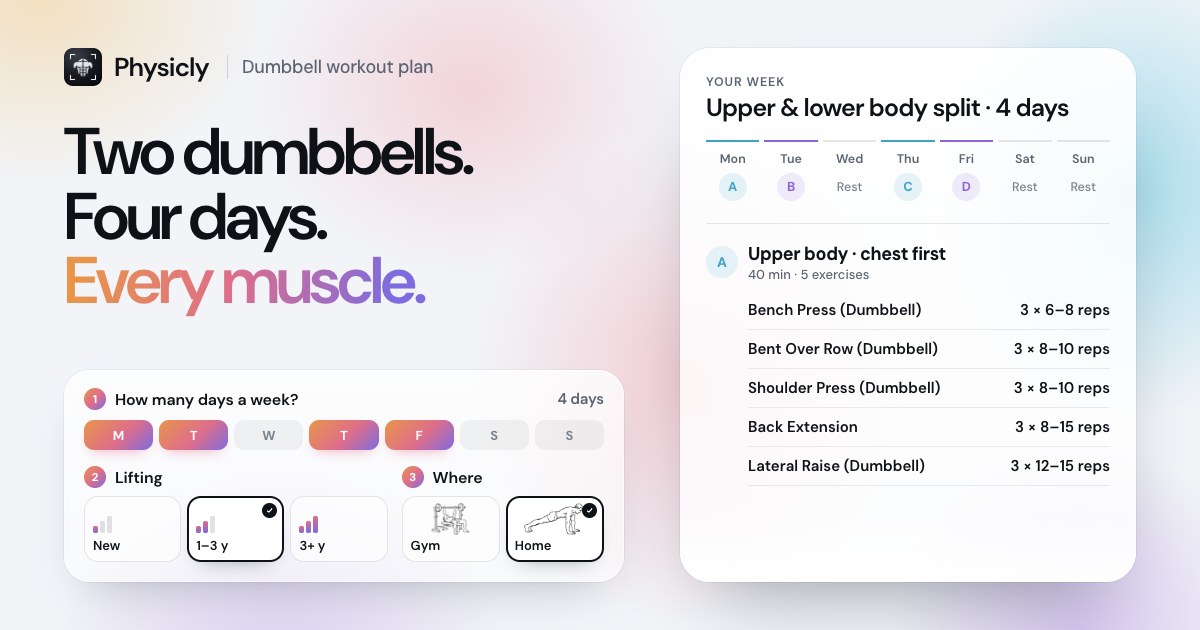 Dumbbell only plan
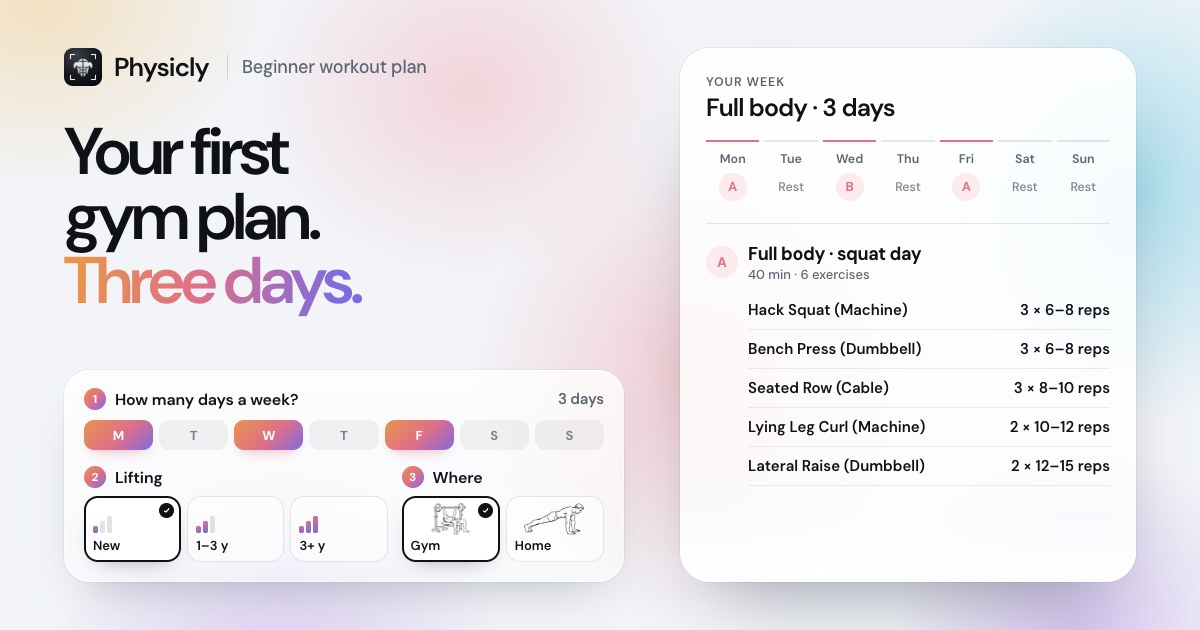 Beginner plan
 Build your own plan
Push pull legs questions
Something else? Write to [email protected].
Is push pull legs 3 or 6 days a week?
Both exist. Six days runs the cycle twice and trains each muscle twice a week, which is better for building muscle. Three days runs it once, so each muscle is trained once a week; at 3 days, a full body routine usually works better.
Is push pull legs good for beginners?
Usually not as a first program. Six sessions a week is a lot to recover from when you’re new. The Physicly generator starts new lifters on full body or upper/lower with at most 4 days, and opens the 6-day PPL plan from intermediate.
Push pull legs vs upper lower: which is better?
Upper/lower fits 4 days, push pull legs fits 6. Both train each muscle about twice a week. PPL gives each session fewer muscles and more sets for them, while upper/lower leaves more rest days.
What is the best push pull legs schedule?
Six days in a row, the push, pull and leg sessions twice each from Monday, and Sunday as the one full rest day. The two rounds differ: the first push day starts with the bench press, the second with the overhead press.
Can I do push pull legs at home?
A 6-day plan needs a gym in the Physicly generator, because a home setup rarely has enough exercises to vary six sessions. At home with dumbbells, the generator offers up to 5 days, such as upper/lower plus push, pull and legs.
How long should a push pull legs workout take?
Around 40 minutes. Each push, pull or leg session in the Physicly plan has five exercises with three sets; the opening lift rests 2–2.5 minutes, the smaller moves 60–90 seconds.
Should I add abs to push pull legs?
One abs exercise twice a week is enough for most people. The Physicly sample puts cable crunches on the second pull day; choosing abs as a focus area adds more.
Log this plan. See what grows.
Physicly builds this program in the app, logs every set, tells you when to add weight and shows your physique change from one photo a day.
 Or scan it with your iPhone camera.